


AfDB, Partners Launch $264M Infrastructure Project in Southern Nigeria
TLDR
- AfDB, the Islamic Development Bank, the Nigerian federal government, and Abia State have launched a $263.8 million project to modernize urban infrastructure
- The five-year plan includes rehabilitating 248 km of roads, restoring two erosion sites, and implementing solid waste management through public-private partnerships
- The project will create over 3,000 temporary jobs during construction, with 30% reserved for women, and 1,000 permanent roles post-completion
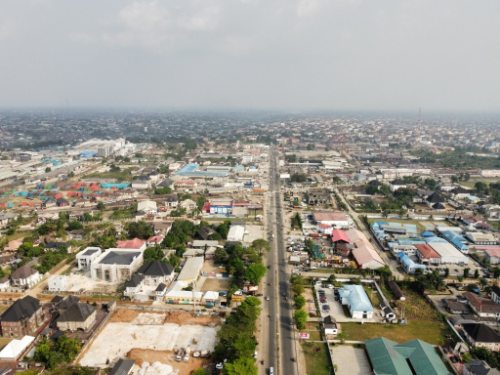
The African Development Bank (AfDB), the Islamic Development Bank, the Nigerian federal government, and Abia State have launched a $263.8 million project to modernize urban infrastructure in Umuahia and Aba.
Known as the Abia State Integrated Infrastructure Development Project, the five-year plan includes rehabilitating 248 km of roads, restoring two erosion sites, and implementing solid waste management through public-private partnerships.
The financing package includes $115 million from the AfDB, $15 million from the Canada-AfDB Climate Fund, $125 million from the Islamic Development Bank, and $23.8 million from Nigeria’s federal government.
The project will create over 3,000 temporary jobs during construction, with 30% reserved for women, and 1,000 permanent roles post-completion. Half of these jobs will go to local youth through the State Youth Road Maintenance Corps.
In addition to infrastructure, the plan incorporates health awareness programs, resettlement assistance, and support for women entrepreneurs. Governor Alex Otti described the initiative as a shift in the state’s development trajectory.
Daba is Africa's leading investment platform for private and public markets. Download here
Points clés à retenir
Abia’s $263.8 million project is part of a broader trend across Africa to integrate infrastructure development with social impact. The AfDB’s strategy prioritizes urban resilience, especially in fast-growing secondary cities like Aba and Umuahia. These cities face mounting pressure from erosion, poor waste systems, and deteriorating road networks. Projects that bundle physical upgrades with social programs—such as job creation, health education, and support for women—are increasingly being used to ensure that urban transformation is both inclusive and sustainable. With co-financing from multilateral banks and public-sector alignment, Abia's model reflects how targeted investment in urban infrastructure can drive long-term economic growth while addressing environmental vulnerabilities. As African cities expand, replicable and locally anchored models like this could shape the future of urban policy and financing on the continent.
Vous pensez que quelqu'un d'autre devrait voir ça ?









Investir dans cette opportunité et dans d'autres opportunités à travers l'Afrique
Téléchargez l'application daba finance sur votre mobile via

Passer à l'action.

Télécharger l'application

Entrez en partenariat avec nous
Débloquez des opportunités commerciales passionnantes et un potentiel de croissance.
Rejoindre Daba
Devenez membre de notre communauté dynamique et profitez d'avantages exclusifs.
Contactez-nous
Contactez-nous pour toute demande de renseignements, assistance ou collaboration.