


Egypt Approves Banque Du Caire's $453M IPO
TLDR
- Egypt's Financial Regulatory Authority approves Banque du Caire's IPO on the EGX, offering a 30% stake valued at up to EGP 24.25 billion.
- Privatization plan, previously delayed for over 9 years, offers potential increase to 45% stake worth EGP 36.4 billion.
- IPO involves sale of 4.575 billion shares at an indicative price range of EGP 4.82 to EGP 5.30 per share, aiming to attract domestic and foreign investors.
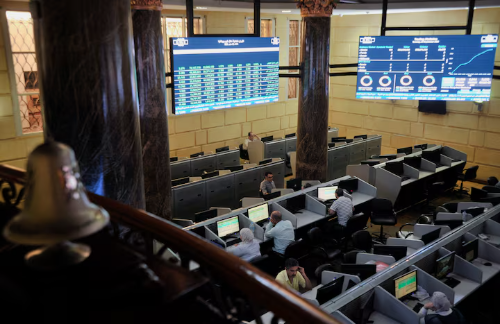
Egypt's Financial Regulatory Authority has approved the prospectus for Banque du Caire's initial public offering on the Egyptian Exchange (EGX), allowing the state-owned lender to sell a 30% stake worth up to EGP 24.25 billion ($453 million). The approval, announced on October 18, 2026, moves forward a privatization plan that has faced delays for more than 9 years. The offering could be increased to 45% depending on investor demand, potentially raising proceeds to EGP 36.4 billion.
The transaction involves the sale of 4.575 billion existing shares at an indicative price range of EGP 4.82 to EGP 5.30 per share. The pricing values the bank at between EGP 73.51 billion and EGP 80.83 billion. Banque Misr, which owns Banque du Caire, will sell the shares and receive the proceeds. The bank itself will not raise new capital through the offering. The government aims to reduce state ownership in the banking sector and attract domestic and foreign investors.
Under the offering structure, 95% of the shares, or 4.346 billion shares, will be allocated to qualified investors through a private placement. The remaining 5%, representing 228.75 million shares, will be available to retail investors in Egypt. Institutional subscriptions opened on October 19 and will close on October 23, while retail subscriptions will remain open until October 28. The final offering price will be determined through book-building and announced on October 26, with trading expected to begin in November.
Banque du Caire's listing has been under consideration since 2017, when its shares were provisionally registered on the EGX. The government had planned to raise about $500 million through a stake sale in 2020, but the Covid-19 pandemic halted the process. Further attempts faced delays because of market conditions and investor demand. The offering was later targeted for 2022 and then 2026 before regulators approved the prospectus. Banque du Caire is Egypt's third-largest state-owned bank after the National Bank of Egypt and Banque Misr.
The IPO forms part of Egypt's state asset sale programme, which seeks to increase private investment and generate proceeds from government holdings. The programme is linked to economic reforms supported by the International Monetary Fund under an $8 billion financing arrangement. Banque du Caire's offering will test demand for Egyptian banking assets and the stock market's ability to absorb a transaction of this size. Completion remains subject to investor subscriptions, final pricing and listing requirements.
Points clés à retenir
Banque du Caire's IPO could become one of Egypt's largest state asset sales in 2026 and provide a test of investor demand for government-owned companies. At the top of the indicative price range, the sale of 30% of the bank would generate EGP 24.25 billion, while an increase to 45% could lift proceeds to about EGP 36.4 billion. The transaction is a secondary offering, meaning the proceeds will go to Banque Misr rather than Banque du Caire. This distinction matters because the listing will change the bank's ownership structure without adding capital to its balance sheet. For Egypt, the offering represents progress in a privatization programme that has faced delays caused by currency pressures, market liquidity and economic conditions. The government has committed to reducing its role in parts of the economy under reforms supported by the International Monetary Fund. Selling shares in Banque du Caire could provide a benchmark for valuing other state-owned financial institutions and help determine whether investors are prepared to commit capital to Egyptian assets. The offering also has implications for the Egyptian Exchange, where new listings can increase market capitalization, trading activity and institutional participation. However, the allocation structure means retail investors will receive only 5% of the shares offered, with institutions taking the remaining 95%. The final subscription levels, pricing and performance after listing will show whether demand supports the government's valuation. If the offering succeeds, it could strengthen confidence in Egypt's ability to complete other state asset sales. A weak subscription or price reduction could complicate plans for transactions involving other government-owned businesses.
Vous pensez que quelqu'un d'autre devrait voir ça ?








Investir dans cette opportunité et dans d'autres opportunités à travers l'Afrique
Téléchargez l'application daba finance sur votre mobile via

Passer à l'action.

Télécharger l'application

Entrez en partenariat avec nous
Débloquez des opportunités commerciales passionnantes et un potentiel de croissance.
Rejoindre Daba
Devenez membre de notre communauté dynamique et profitez d'avantages exclusifs.
Contactez-nous
Contactez-nous pour toute demande de renseignements, assistance ou collaboration.