


Equatorial Guinea Inflation Hit 2.4% in January on Transport Costs
TLDR
- Equatorial Guinea's annual inflation rate rose to 2.4% in January 2026, driven by increases in transport costs, healthcare, and food prices.
- Key sectors such as maritime and river passenger transport, air transport, and healthcare services saw notable price hikes, impacting overall inflation.
- Despite remaining close to the target threshold set by the regional central bank, the country's economy is influenced by oil and gas exports, with potential risks from global shipping costs and supply chain disruptions.
Equatorial Guinea’s annual inflation rate rose to 2.4% in January 2026 from 2.3% in December, according to data from the National Institute of Statistics.
Year-on-year, the consumer price index increased 3.4%, while core inflation stood at 3%. On a monthly basis, prices rose 0.6%, with cumulative inflation since the start of the year also at 0.6%.
Transport costs led the increase, rising 5.1%. Maritime and river passenger transport climbed 11.3%, air transport 10.7% and motor vehicles 10%. Healthcare prices rose 3.7%, including a 7.6% increase in hospital services and 11.5% in dental services. Restaurants and hotels rose 3%, while alcoholic beverages and tobacco increased 2.9%.
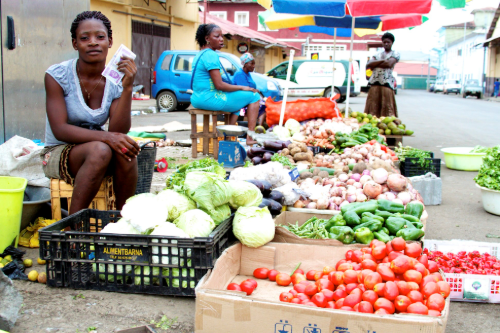
Food prices, which account for 47.99% of the inflation basket, rose 1.1%. Zebu meat increased 9.5%, dried or smoked fish 5.1%, bread 3.9% and poultry 4.1%.
By city, inflation reached 3.8% in Malabo, above the CEMAC reference level of 3%. Ebibeyin recorded 2.6%, Mongomo 1.5%, Bata 0.9% and Evinayong 0.7%. Imported goods inflation slowed to 2.2%, while local products rose 3.3%.
Points clés à retenir
Equatorial Guinea is a member of CEMAC, where the regional central bank targets inflation below 3%. January’s figure keeps the country close to that threshold, even as price pressures in transport and services persist. The economy remains linked to oil and gas exports, which drive public spending and foreign exchange inflows. Lower oil production in recent years has reduced fiscal space, limiting the government’s ability to cushion households from price shocks. At the same time, reliance on imported goods exposes the country to global shipping and fuel costs. Food carries significant weight in the inflation basket, reflecting household consumption patterns. Even modest increases in staple prices can affect purchasing power. While headline inflation remains contained compared with many African peers, sustained pressure in transport and services could test price stability if energy costs or supply chains shift.
Vous pensez que quelqu'un d'autre devrait voir ça ?









Investir dans cette opportunité et dans d'autres opportunités à travers l'Afrique
Téléchargez l'application daba finance sur votre mobile via

Passer à l'action.

Télécharger l'application

Entrez en partenariat avec nous
Débloquez des opportunités commerciales passionnantes et un potentiel de croissance.
Rejoindre Daba
Devenez membre de notre communauté dynamique et profitez d'avantages exclusifs.
Contactez-nous
Contactez-nous pour toute demande de renseignements, assistance ou collaboration.