


Faye, Diop Set ECOWAS Agenda as Bloc Faces Sahel Split
TLDR
- ECOWAS leaders Faye and Diop prioritize common currency, security cooperation, and trade after 3 member states' departure
- Discussions focus on ECO single currency, ECOWAS community levies, movement of people and goods, and regional counterterrorism force
- Transition requires managing economic links post-political split, meeting ECO requirements, and addressing regional security threats
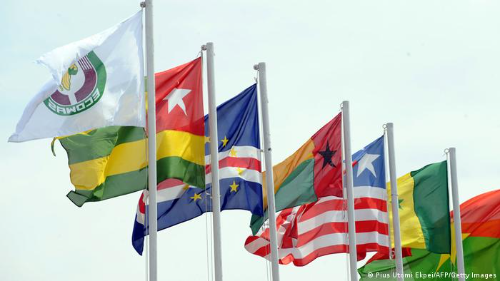
Senegalese President Bassirou Diomaye Faye and incoming ECOWAS Commission President Birame Diop have set out priorities for the West African bloc as it works on a common currency, security cooperation and trade after the departure of 3 member states. Faye, who became ECOWAS chairman in July, met Diop in Dakar on August 27 ahead of the former Senegalese defense minister taking office on September 1.
Their discussions covered the planned ECO single currency, collection of ECOWAS community levies, movement of people and goods and the creation of a regional counterterrorism force. ECOWAS leaders reaffirmed in July that they want to start introducing the ECO in 2027, with countries that meet economic convergence requirements expected to join first.
Faye took over the rotating chairmanship as ECOWAS adjusts to the withdrawal of Mali, Burkina Faso and Niger. The 3 military-led countries formally left the bloc in January 2025 and formed the Alliance of Sahel States. They remain part of the West African Economic and Monetary Union and continue to use the CFA franc, leaving economic links with ECOWAS members in place despite the political split.
Security remains another focus. ECOWAS is working toward making its counterterrorism force operational as member states face jihadist violence, cross-border crime and other armed threats. The bloc has targeted July 2027 for full operational capacity.
Diop previously served as Senegal’s armed forces minister, military chief and an adviser to the United Nations secretary-general. He will replace Omar Alieu Touray as Commission president. Faye has called for an ECOWAS that focuses on security, economic integration and results for citizens as the organization seeks to maintain regional cooperation after the Sahel states’ exit.
Points clés à retenir
The change in ECOWAS leadership comes as the bloc faces a different problem from the one it was built to solve. Regional integration once focused on reducing trade barriers and moving toward a common market, but ECOWAS must now manage political separation while keeping economic links working. Mali, Burkina Faso and Niger have left ECOWAS, yet their economies remain tied to several members through WAEMU, the CFA franc, trade routes and migration. That makes a full economic separation costly for both sides and gives Faye an incentive to maintain dialogue even if the countries do not return to the organization. The planned ECO adds another test. ECOWAS still targets a 2027 launch, but a phased system means countries will need to meet rules on inflation, debt and monetary stability before joining. At the same time, security threats are becoming more regional as armed groups operate across borders. The proposed counterterrorism force is meant to provide a joint response, but it will require funding and cooperation between governments. For Faye and Diop, the task is therefore to show that ECOWAS can still deliver economic and security benefits with fewer members while keeping channels open to the Sahel states.
Vous pensez que quelqu'un d'autre devrait voir ça ?








Investir dans cette opportunité et dans d'autres opportunités à travers l'Afrique
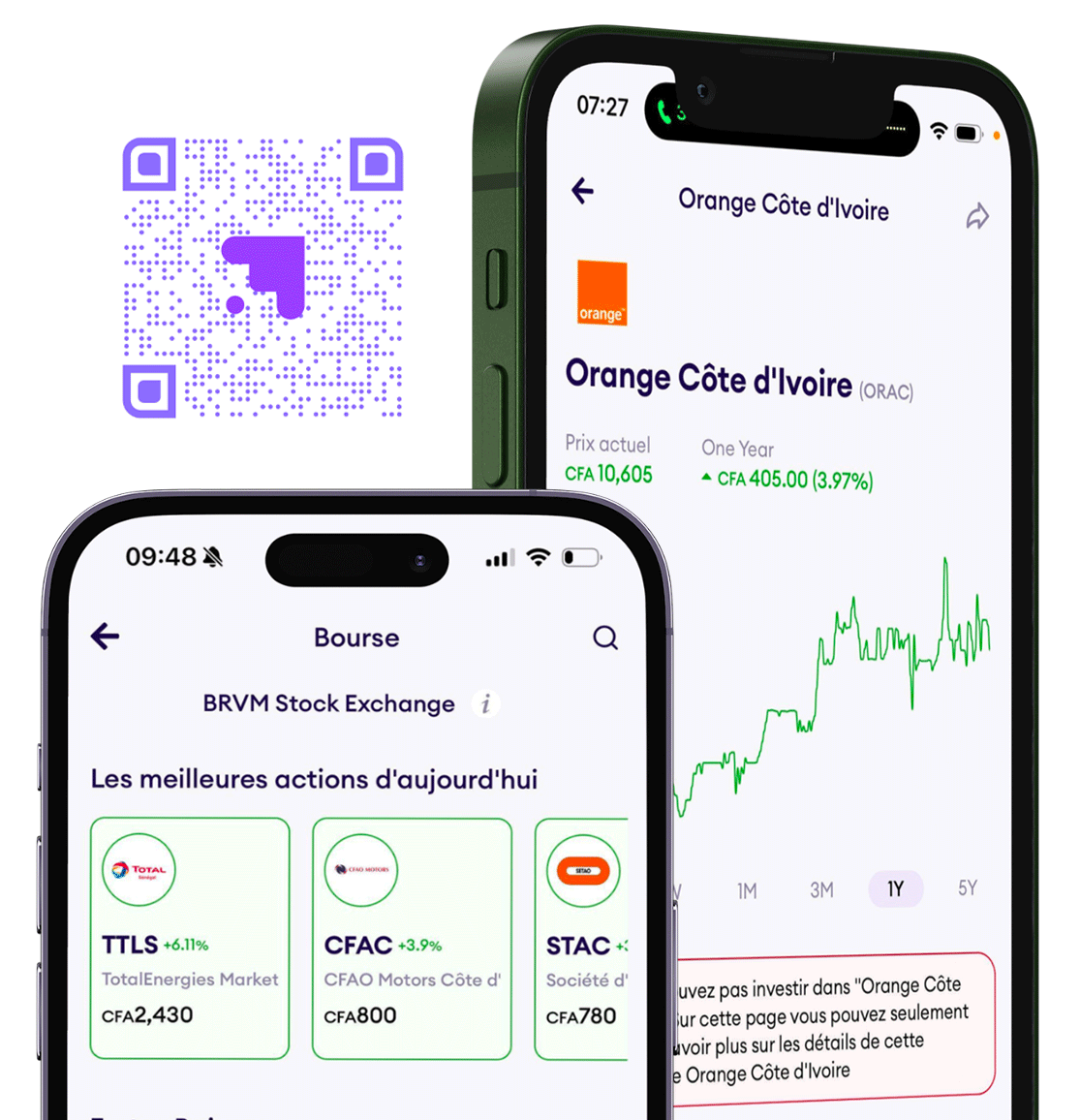
Téléchargez l'application daba finance sur votre mobile via

Passer à l'action.

Télécharger l'application

Entrez en partenariat avec nous
Débloquez des opportunités commerciales passionnantes et un potentiel de croissance.
Rejoindre Daba
Devenez membre de notre communauté dynamique et profitez d'avantages exclusifs.
Contactez-nous
Contactez-nous pour toute demande de renseignements, assistance ou collaboration.