


Ivory Coast Cocoa Output Could Fall 25% as El Niño Threatens Harvest
TLDR
- Ivory Coast's cocoa production could decline by 21% to 25% during the 2026-27 season as an El Niño weather event threatens rainfall and crop development
- The warning, reported on November 11, 2026, comes as the world's largest cocoa producer faces reduced harvests and lower deliveries to exporters
- The country produced more than 2 million metric tons of cocoa last season, meaning a decline of this scale could remove hundreds of thousands of tons from global supply
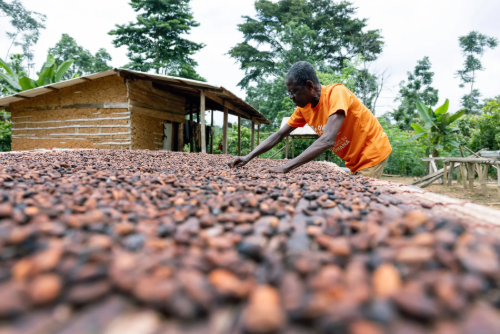
Ivory Coast's cocoa production could decline by 21% to 25% during the 2026-27 season as an El Niño weather event threatens rainfall and crop development, according to the country's national meteorological agency. The warning, reported on November 11, 2026, comes as the world's largest cocoa producer faces reduced harvests and lower deliveries to exporters. The country produced more than 2 million metric tons of cocoa last season, meaning a decline of this scale could remove hundreds of thousands of tons from global supply.
The National Meteorology Directorate of SODEXAM warned that rainfall could fall by 10% to 27%, with a shorter rainy season, longer dry periods and higher temperatures affecting cocoa-growing regions. The agency described the 2026-27 El Niño as a weather event that could rank among the strongest recorded if Pacific Ocean warming continues. Reduced rainfall and heat could damage cocoa trees, cause flowers and young pods to fall, and lower crop yields. The effects could also disrupt planting schedules and reduce water available for agriculture and electricity generation.
Ivory Coast suspended sales of export contracts for its 2026-27 main cocoa crop in June after selling approximately 1.15 million tons, pending a clearer assessment of production. Exporters say the harvest is performing below expectations, with deliveries to ports falling short of forecasts. Industry participants now estimate total production at 1.5 million to 1.6 million tons, compared with approximately 2.15 million tons delivered to ports last season. The April-to-September mid-crop could decline to between 300,000 and 350,000 tons from about 600,000 tons a year earlier.
Farmers have reported reduced harvests across producing regions. Simplice Koua, who cultivates 6 hectares in Duekoue, said he had sold only 3 bags of cocoa weighing 80 kilograms each by November, compared with 14 bags during the same period last year. An exporter based in Abidjan said cocoa arrivals were below initial forecasts and questioned whether a 25% production decline might underestimate the damage. Poor rainfall has affected flowering and pod development, while concerns remain over the impact of dry Harmattan winds on the crop.
The weather threat extends beyond cocoa production. The African Development Bank warned in July that El Niño could reduce economic output in African countries affected by the event by 1% to 2%, representing losses of $10 billion to $20 billion across the continent. For Ivory Coast, lower cocoa output could reduce export revenue, farmer income and government receipts. The size of the decline will depend on rainfall, temperatures and crop development through the remainder of the 2026-27 season.
Points clés à retenir
Ivory Coast's projected cocoa production decline could affect global chocolate supply, export revenue and the incomes of millions of people who depend on the crop. The country accounts for approximately 40% of global cocoa production, making changes in its harvest an influence on international cocoa prices. A 21% to 25% decline from a production base of 2.15 million tons would represent a reduction of approximately 452,000 to 538,000 tons, although the final harvest remains uncertain. Lower supply could support international cocoa prices if demand remains stable, but higher prices would not guarantee increased income for farmers. Many Ivorian growers receive prices set through the country's cocoa marketing system, while reduced harvest volumes can offset gains from higher prices. The weather outlook also raises concerns about the country's export commitments. Ivory Coast had sold approximately 1.15 million tons of cocoa through export contracts before suspending sales in June, making production estimates important for managing deliveries and future sales. The impact could extend to cocoa processors, exporters, transport companies and financial institutions that provide financing to agricultural businesses. Lower output may reduce processing volumes and export earnings, while uncertainty over future supplies could affect investment decisions. El Niño also creates risks beyond agriculture by reducing water availability and affecting hydroelectric power generation. The African Development Bank estimates that economies affected by the weather event could lose between 1% and 2% of output, depending on the severity of disruptions. For investors, the main indicators will be weekly cocoa arrivals at Ivorian ports, rainfall levels, international cocoa prices, export contract commitments and government production forecasts. The next few months will determine whether the country's harvest stabilizes or whether supply losses increase pressure on global cocoa markets.
Vous pensez que quelqu'un d'autre devrait voir ça ?








Investir dans cette opportunité et dans d'autres opportunités à travers l'Afrique
Téléchargez l'application daba finance sur votre mobile via


Passer à l'action.

Télécharger l'application

Entrez en partenariat avec nous
Débloquez des opportunités commerciales passionnantes et un potentiel de croissance.
Rejoindre Daba
Devenez membre de notre communauté dynamique et profitez d'avantages exclusifs.
Contactez-nous
Contactez-nous pour toute demande de renseignements, assistance ou collaboration.