


PwC Seeks Buyers For KOKO Networks After Administration Filing
TLDR
- KOKO Networks seeks buyers after entering administration due to lack of authorization to sell carbon credits internationally, impacting revenue model.
- More than 700 employees laid off as KOKO's subsidy structure collapses without access to compliance carbon markets.
- Sale of assets, including nationwide fuel distribution infrastructure, to determine future of one of Africa's largest clean cooking networks reliant on carbon credit revenues.
PwC has begun seeking buyers for the business or assets of Kenya’s KOKO Networks after the clean cooking company entered administration.
KOKO filed for administration after failing to obtain a required Letter of Authorisation from the Kenyan government to sell carbon credits internationally under Article 6 of the Paris Agreement. Without approval to access compliance carbon markets, the company’s revenue model collapsed.
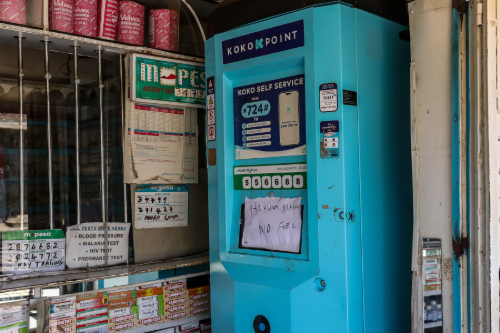
KOKO supplies bioethanol cooking fuel to more than 1.5 million households through over 3,000 fuel ATMs installed in corner stores across urban Kenya. The company used carbon credit revenues to subsidize fuel costs and reduce charcoal use.
More than 700 employees have been laid off. Joint administrators Muniu Thoithi and George Weru of PwC are overseeing financial and operational decisions under Kenya’s Insolvency Act.
The administrators have issued a request for expressions of interest from potential buyers. Assets available include KOKO’s nationwide fuel distribution infrastructure, intellectual property and vehicle fleet. The deadline for submissions is Feb. 26.
Points clés à retenir
The sale process underscores the fragility of business models reliant on carbon credit monetization and government authorization. KOKO’s infrastructure represents one of the largest clean cooking distribution networks in Africa. However, access to regulated carbon markets was central to its subsidy structure. The outcome of the bidding process will determine whether the assets can be repurposed under a revised commercial model or broken up to repay creditors. The case highlights regulatory risk in climate-linked ventures, particularly where international carbon revenue depends on sovereign approval. It also raises broader questions about the sustainability of carbon-financed consumer energy transitions in emerging markets.
Vous pensez que quelqu'un d'autre devrait voir ça ?









Investir dans cette opportunité et dans d'autres opportunités à travers l'Afrique
Téléchargez l'application daba finance sur votre mobile via

Passer à l'action.

Télécharger l'application

Entrez en partenariat avec nous
Débloquez des opportunités commerciales passionnantes et un potentiel de croissance.
Rejoindre Daba
Devenez membre de notre communauté dynamique et profitez d'avantages exclusifs.
Contactez-nous
Contactez-nous pour toute demande de renseignements, assistance ou collaboration.