


MENA Startup Funding Hits $1.1B in September Led by Fintech Deals
TLDR
- Startups across the Middle East and North Africa raised $1.1 billion through 73 deals in September 2026, an increase of 193% from August
- The total marked the region's first month above $1 billion in several months, according to data compiled by Wamda and Digital Digest
- However, funding remained 68% below September 2025, when startups raised approximately $3.5 billion, showing that investment has yet to return to last year's levels
Startups across the Middle East and North Africa raised $1.1 billion through 73 deals in September 2026, an increase of 193% from August, driven by investments in Saudi Arabian financial technology companies. The total marked the region's first month above $1 billion in several months, according to data compiled by Wamda and Digital Digest. However, funding remained 68% below September 2025, when startups raised approximately $3.5 billion, showing that investment has yet to return to last year's levels.
Three Saudi fintech transactions accounted for $762.5 million, or nearly 70% of September's funding. Barq raised $329.5 million in a Series A round, Tabby secured $233 million in Series F financing, and Lendo obtained $200 million in debt funding. Saudi Arabia led the region with $947.2 million raised by 40 startups, representing approximately 86% of the total. Fintech accounted for 86% of investment in the kingdom, reflecting investor demand for payment services, lending platforms and financial products.
The United Arab Emirates ranked second, attracting $98.4 million across 12 transactions, with fintech companies accounting for 71% of the amount raised. Egypt returned to third place after recording no funding in August, with 7 startups securing $49.2 million. Payments company Paymob contributed $35 million through a pre-Series C round, representing about 71% of Egypt's total. Qatar followed with $2.4 million across 4 transactions, while Kuwait recorded an estimated $1 million investment in COFE.
Fintech dominated investment by sector, attracting $930.6 million across 20 deals, or approximately 85% of regional funding. Property technology ranked second with $50.2 million, followed by travel technology at $25.2 million. Early-stage startups raised $418.2 million through 39 transactions, while 5 later-stage companies secured $288 million. Debt financing accounted for 31.7% of September's total, compared with 76% in September 2025, indicating a shift toward equity funding.
Investment remained concentrated by business model and founder gender. Business-to-business startups raised $457.7 million across 47 deals, compared with $406.4 million across 16 transactions for consumer-focused companies. Male-led startups received approximately $1 billion, while female-founded companies secured $2.4 million and mixed-gender founding teams raised $7.3 million. September's performance pushed third-quarter funding above $1.7 billion, although the reliance on a few transactions shows that investment has not recovered across all markets and sectors.
Points clés à retenir
MENA's return to more than $1 billion in monthly startup funding shows that investors remain willing to finance technology companies, but September's figures reveal how dependent the market has become on a limited number of companies, countries and sectors. Barq, Tabby and Lendo accounted for $762.5 million of the $1.1 billion raised, leaving approximately $337.5 million distributed across the remaining 70 transactions. Without those 3 deals, the monthly total would have been below August's reported $375 million. Saudi Arabia attracted 86% of regional funding, while fintech received 85%, leaving companies in other markets and industries competing for a smaller share of investment. The figures also show the importance of distinguishing equity investment from debt financing. Debt represented 31.7% of September's funding, meaning part of the total consisted of borrowing rather than capital exchanged for ownership stakes. Such financing can support lending platforms and businesses that require funds for customer credit, but it also creates repayment obligations. Early-stage funding remained active, with 39 companies raising $418.2 million, suggesting investors continue to support businesses developing products and entering markets. However, the gap between male- and female-founded companies remains substantial, with female-founded startups securing only $2.4 million. The regional distribution also shows the concentration of funding in Saudi Arabia, the UAE and Egypt, leaving other markets with limited access to capital. For investors and founders, the next measure of recovery will be whether funding reaches more companies outside fintech and spreads across more countries. Deal counts, equity funding, early-stage investment and the number of companies receiving capital will provide a clearer picture than total investment alone. The fourth quarter will help determine whether September marked the start of a wider recovery or reflected a small number of transactions.
Vous pensez que quelqu'un d'autre devrait voir ça ?







Investir dans cette opportunité et dans d'autres opportunités à travers l'Afrique
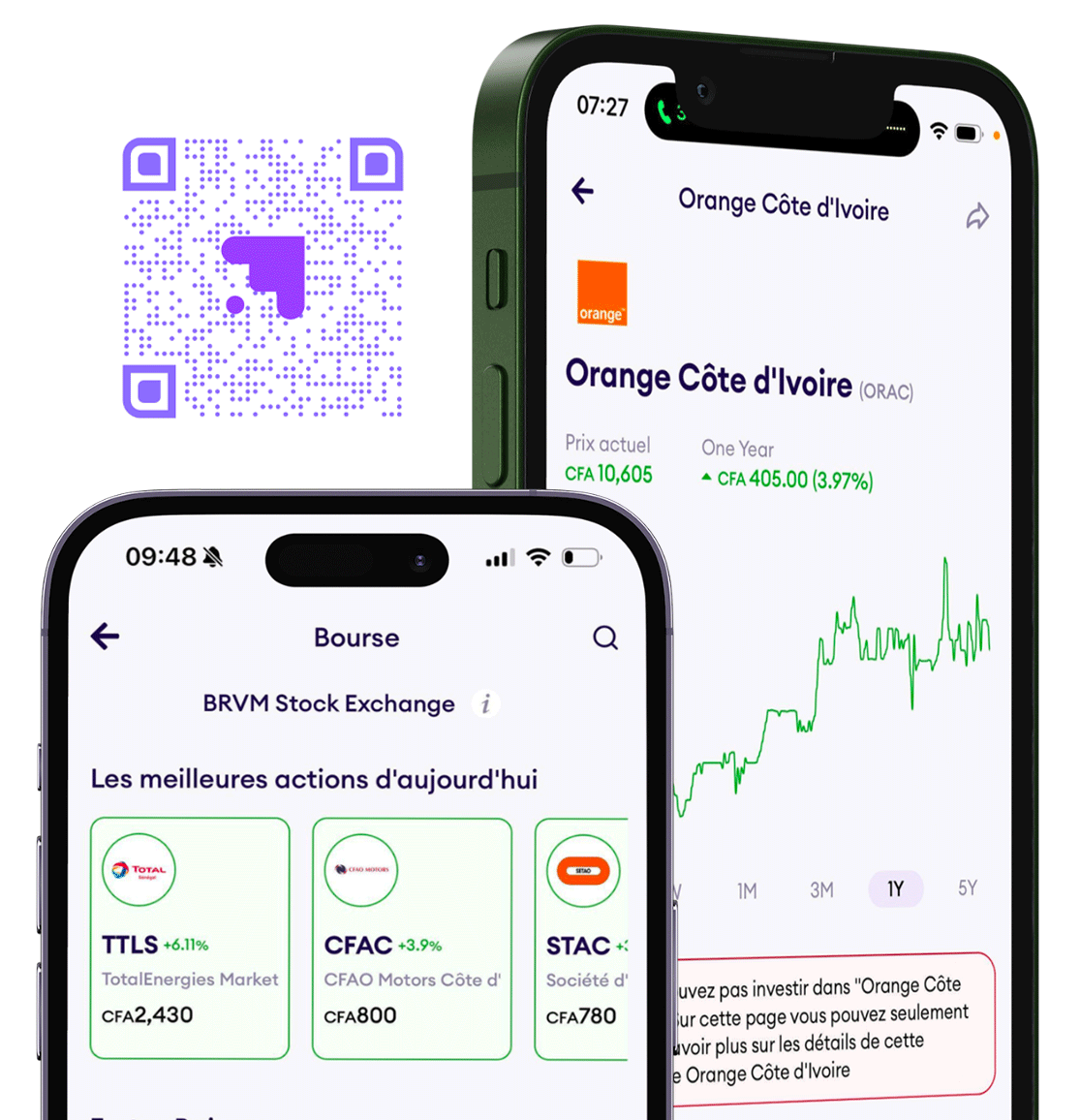
Téléchargez l'application daba finance sur votre mobile via

Passer à l'action.

Télécharger l'application

Entrez en partenariat avec nous
Débloquez des opportunités commerciales passionnantes et un potentiel de croissance.
Rejoindre Daba
Devenez membre de notre communauté dynamique et profitez d'avantages exclusifs.
Contactez-nous
Contactez-nous pour toute demande de renseignements, assistance ou collaboration.