


Nigerian Naira Heads for Best Annual Gain Since 2018
TLDR
- Nigeria's naira on track for strongest annual gain in 8 years fueled by higher oil earnings and remittances.
- Forecasted to strengthen to about ₦1,290 per dollar by year-end, marking an almost 12% appreciation since 2018.
- Factors supporting naira include increased dollar supply from oil prices, remittances, and rising foreign reserves.
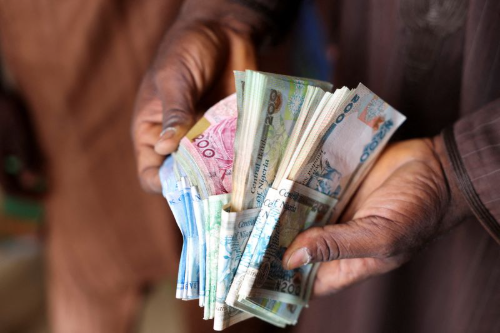
Nigeria’s naira is heading for its strongest annual gain in at least 8 years as higher oil earnings and remittances increase the supply of dollars in the economy. The currency traded at about ₦1,328.92 per dollar on Sept. 2, taking its gain since the start of 2026 to about 8%.
The naira could strengthen further to about ₦1,290 per dollar by the end of the year, according to the average forecast of 4 analysts surveyed by Bloomberg. That would extend its 2026 appreciation to almost 12%, its best annual performance since at least 2018. The recovery follows losses after Nigeria changed its foreign-exchange system in 2023.
Dollar supply has increased from several sources. Higher oil prices have lifted export earnings, while formal diaspora remittances reached $3.8 billion in the first 7 months of 2026, up 50.2% from a year earlier. July alone brought $947 million through international money transfer operators. Nigeria’s foreign reserves also rose to about $53.8 billion at the end of August from $45.6 billion at the start of the year.
The stronger currency has supported returns on Nigerian assets by reducing the exchange-rate losses faced by foreign investors. Nigeria’s stock market had gained more than 70% in dollar terms by early September, while tighter monetary policy and higher yields have also attracted capital into local debt markets.
The next test is Nigeria’s 2027 election. Election periods can bring higher government spending, demand for dollars and investor uncertainty. The naira’s direction will depend on oil production and prices, remittance flows, capital inflows and whether the Central Bank of Nigeria maintains confidence in the foreign-exchange market.
Points clés à retenir
The naira’s 2026 recovery is different from a currency gain driven only by central-bank intervention because Nigeria has also built a larger supply of foreign exchange. Reserves have increased by more than $8 billion since the start of the year, formal remittances are rising and higher oil prices are bringing more export dollars into the economy. These inflows give the Central Bank of Nigeria more room to manage periods of higher demand without relying on the type of exchange restrictions used in previous years. A stronger naira can reduce the local cost of imported fuel, machinery, medicines and raw materials and can help slow imported inflation. It also improves dollar returns for foreign investors buying Nigerian stocks and bonds. The risk is that some of the support is linked to conditions that can change. Oil prices may fall, portfolio investors can withdraw money and election spending could increase demand for foreign currency. Inflation also remains above 15%, limiting how quickly monetary policy can be eased. The ₦1,290 year-end forecast therefore depends on Nigeria continuing to generate enough dollar inflows to meet demand. If that happens, 2026 could mark a shift from stabilising the currency after the 2023 reforms to rebuilding confidence in the naira as an investable local currency.
Vous pensez que quelqu'un d'autre devrait voir ça ?









Investir dans cette opportunité et dans d'autres opportunités à travers l'Afrique
Téléchargez l'application daba finance sur votre mobile via


Passer à l'action.

Télécharger l'application

Entrez en partenariat avec nous
Débloquez des opportunités commerciales passionnantes et un potentiel de croissance.
Rejoindre Daba
Devenez membre de notre communauté dynamique et profitez d'avantages exclusifs.
Contactez-nous
Contactez-nous pour toute demande de renseignements, assistance ou collaboration.