


Nigeria Confirms First Ebola Case in 12 Years as Outbreak Spreads
TLDR
- Nigeria confirms first Ebola case in 12 years, linked to an outbreak in the Democratic Republic of Congo.
- Identified patient traveled from Uganda, developed symptoms in Nigeria after a business trip to eastern Congo.
- Contact tracing, isolation, and increased surveillance key to preventing further infections in Nigeria.
Nigeria has confirmed its first Ebola infection since 2014, becoming the fifth African country to report cases linked to an outbreak that has killed more than 4,600 people in the Democratic Republic of Congo. The infection, confirmed on October 20, 2026, involves the Bundibugyo strain of the virus, according to the World Health Organization. The Africa Centres for Disease Control and Prevention has called for international assistance as the outbreak spreads across West, East and Central Africa.
The patient is a woman who arrived in Nigeria after traveling through Uganda, where authorities say there are no active Ebola cases. She developed symptoms on October 7, 4 days after arriving in the country, and sought treatment at a private hospital in Abuja on October 11. Laboratory tests confirmed the infection on October 20. Health officials are investigating where she contracted the virus, including possible exposure during a business trip to eastern Congo. The woman remains in isolation and is receiving medical care.
Nigerian authorities have identified 44 people who may have come into contact with the patient, including healthcare workers and other individuals. Health Minister Muhammad Ali Pate said the contacts would remain isolated for at least 3 weeks while health teams monitor them for symptoms. The government is treating the infection as an imported case, with no evidence of community transmission. Nigeria has increased surveillance, contact tracing and screening at entry points to prevent further infections.
The outbreak began in Congo on May 15 and has since spread beyond the country's borders. Congo has recorded 9,552 confirmed infections and 4,602 deaths, representing a case-fatality rate of about 48%. Kenya has reported 9 infections, including 1 death, linked to a traveler from Congo. Uganda recorded cases earlier in the outbreak but was declared Ebola-free in August. Africa CDC Director-General Jean Kaseya described the outbreak as the most geographically widespread Ebola outbreak on record, affecting countries across 3 regions.
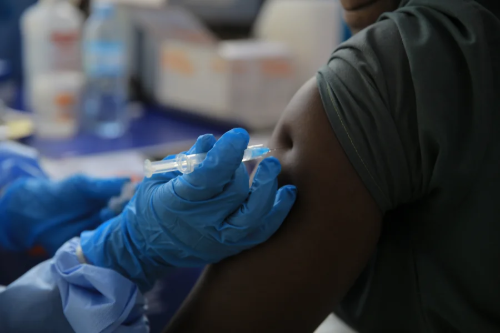
The Bundibugyo strain has no approved vaccines or specific treatments, although vaccine development is under way. Moderna has begun testing an experimental vaccine with support from the Coalition for Epidemic Preparedness Innovations. Africa CDC is seeking funding, diagnostic equipment, medical supplies and trained health workers to support affected countries. Nigeria last recorded Ebola in 2014, when an infected traveler arrived in Lagos from Liberia. The country contained that outbreak through contact tracing, isolation and public health measures.
Points clés à retenir
Nigeria's first Ebola case in 12 years raises concerns about the spread of the virus through international travel and the capacity of African health systems to contain infections across borders. The country has a population exceeding 230 million and serves as a transport and commercial hub connecting West Africa with other regions. The detection of an imported case in Abuja shows how infections can move between countries before symptoms develop or a diagnosis is made. Ebola spreads through direct contact with the blood or other bodily fluids of infected people, or contaminated materials, rather than through ordinary airborne transmission. Symptoms can develop between 2 and 21 days after exposure, making contact tracing and monitoring central to controlling outbreaks. Nigeria's response in 2014 provides a precedent for containment. During that outbreak, which began when an infected traveler arrived in Lagos from Liberia, the country recorded 20 cases and 8 deaths before transmission was stopped. The government has identified 44 contacts in the latest case and is working with the World Health Organization and Africa CDC to prevent further infections. The situation also highlights gaps in available medical tools. Unlike the Zaire strain of Ebola, for which approved vaccines and treatments exist, the Bundibugyo strain has no approved vaccine or virus-specific therapy. Congo's outbreak has placed pressure on health facilities, medical workers and international funding. For Nigeria, the immediate priority is to identify possible exposures, protect healthcare workers and prevent transmission beyond the confirmed patient. The economic implications will depend on whether infections remain contained or spread, potentially affecting travel, business activity and healthcare spending. WHO has not recommended restrictions on travel or trade with affected countries.
Vous pensez que quelqu'un d'autre devrait voir ça ?








Investir dans cette opportunité et dans d'autres opportunités à travers l'Afrique
Téléchargez l'application daba finance sur votre mobile via

Passer à l'action.

Télécharger l'application

Entrez en partenariat avec nous
Débloquez des opportunités commerciales passionnantes et un potentiel de croissance.
Rejoindre Daba
Devenez membre de notre communauté dynamique et profitez d'avantages exclusifs.
Contactez-nous
Contactez-nous pour toute demande de renseignements, assistance ou collaboration.