


Nigeria Election Campaign Opens With President Facing Familiar Rivals
TLDR
- Nigeria presidential election campaign starts with President Bola Tinubu seeking re-election, facing 18 opposition candidates.
- Economy and security are key issues shaping the race as public concern over living costs and security challenges prevail.
- Atiku Abubakar and Peter Obi represent major opposition, emphasizing household finances, security, and government's performance.
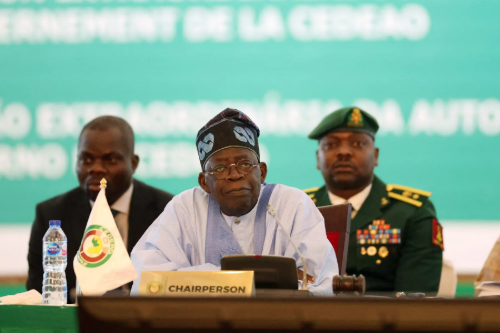
Campaigning has started for Nigeria’s January 16 presidential election, setting up another contest between President Bola Tinubu, Peter Obi and former Vice President Atiku Abubakar. Tinubu is seeking a second term for the All Progressives Congress and will face 18 opposition candidates, with the economy and security set to shape the race.
Tinubu won the 2023 election with 36.6% of the vote, compared with 29% for Atiku and 25% for Obi. The opposition remains divided. Obi is running under the Nigeria Democratic Congress, while Atiku represents the African Democratic Congress after efforts to build a joint opposition coalition failed.
The president enters the campaign with public concern over living costs. His government removed Nigeria’s fuel subsidy and changed the foreign-exchange system after taking office in 2023. The measures were aimed at improving public finances and removing market distortions but pushed up transport, food and other household costs.
Security is another issue. Nigeria continues to face attacks and kidnappings by armed groups in the northwest and jihadist violence in the northeast. A survey by SBM Intelligence found that close to 80% of respondents believed the country was heading in the wrong direction, with economic hardship and insecurity among their main concerns.
Tinubu will campaign on the economic changes made during his first term and signs of stronger growth, while Obi and Atiku are expected to focus on household finances, security and the government’s record. The presidential and parliamentary elections will take place on January 16, followed by governorship and state assembly elections on February 6.
Points clés à retenir
Nigeria’s election may feature the same 3 main candidates as 2023, but the political setting has changed. Tinubu now has to defend a record rather than campaign on what he plans to do. His economic reforms addressed problems including fuel subsidies and the foreign-exchange system, but voters have also faced higher costs for food, transport and housing. That gives Obi and Atiku an issue that reaches voters across regions and income groups. Their problem is division. Tinubu won only 36.6% of votes in 2023, meaning almost 2 in every 3 voters supported someone else, but Obi and Atiku competed against each other and are doing so again. Nigeria’s electoral rules also require support across the country, making regional coalitions important. The opposition will therefore need more than public dissatisfaction to remove the incumbent. It must convert that frustration into turnout while building support outside each candidate’s existing base. Tinubu, meanwhile, benefits from the APC’s national organisation and the powers that come with incumbency, but faces the task of convincing voters that economic reforms will improve household finances. The race may come down to whether voters judge those reforms by their long-term goals or by the costs they have experienced since 2023.
Vous pensez que quelqu'un d'autre devrait voir ça ?









Investir dans cette opportunité et dans d'autres opportunités à travers l'Afrique
Téléchargez l'application daba finance sur votre mobile via

Passer à l'action.

Télécharger l'application

Entrez en partenariat avec nous
Débloquez des opportunités commerciales passionnantes et un potentiel de croissance.
Rejoindre Daba
Devenez membre de notre communauté dynamique et profitez d'avantages exclusifs.
Contactez-nous
Contactez-nous pour toute demande de renseignements, assistance ou collaboration.