


Tariff Hike Lifts MTN, Airtel Earnings in Nigeria as ARPU Surges
TLDR
- A 50% increase in telecom tariffs has boosted MTN and Airtel’s earnings in Nigeria, lifting their combined average revenue per user (ARPU) by 31.6%
- Airtel’s ARPU rose 23.5% to $2.10 from $1.70 a year earlier, driving revenue up 29.7% to $332 million
- MTN posted a sharper gain, with ARPU climbing 37.9% to $3.02, while revenue surged 67.9% to ₦1.32 trillion ($860 million)
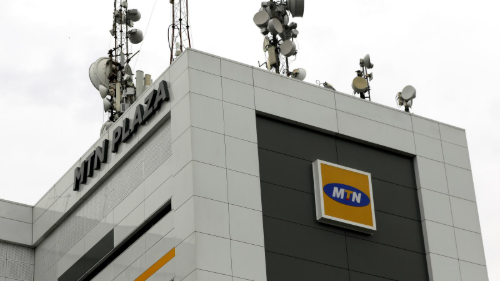
A 50% increase in telecom tariffs has boosted MTN and Airtel’s earnings in Nigeria, lifting their combined average revenue per user (ARPU) by 31.6% in the second quarter of 2025.
Airtel’s ARPU rose 23.5% to $2.10 from $1.70 a year earlier, driving revenue up 29.7% to $332 million. MTN posted a sharper gain, with ARPU climbing 37.9% to $3.02, while revenue surged 67.9% to ₦1.32 trillion ($860 million). The rebound follows years of underinvestment as naira depreciation eroded dollar returns.
MTN’s core capex jumped to ₦363.3 billion ($237 million) in Q2, a 26-fold increase year-on-year, while Airtel raised spending modestly to $39 million. The Nigerian Communications Commission said the tariff adjustment has already unlocked over $1 billion in new infrastructure investment this year.
Still, consumers are bearing the cost. The average price of 1GB of data has risen to ₦431.25 from ₦287.50, prompting complaints from subscriber groups about affordability. Regulators say improvements will take time as operators phase in upgrades.
Daba's newsletter is now on Substack. Sign up here to get the best of Africa's investment landscape
Points clés à retenir
Nigeria’s tariff reform has pulled operators back from the brink after years of squeezed margins, giving MTN and Airtel the revenue headroom to fund long-delayed investments in network expansion. For MTN, Nigeria’s largest market by subscribers but historically a weaker ARPU contributor, the turnaround bolsters group results and supports its pan-African capex push. Airtel Nigeria now ranks just behind its francophone markets on ARPU, strengthening its regional profile. The gains, however, come at a steep cost to consumers already battling inflation and currency depreciation. Higher tariffs have reignited debates about affordability and digital inclusion. For regulators, the challenge will be ensuring that investments translate quickly into better service quality—otherwise, public backlash could undermine support for cost-reflective pricing. Nigeria’s telecom sector is entering a crucial phase: financially healthier operators must now deliver visible improvements to justify higher prices.
Vous pensez que quelqu'un d'autre devrait voir ça ?









Investir dans cette opportunité et dans d'autres opportunités à travers l'Afrique
Téléchargez l'application daba finance sur votre mobile via

Passer à l'action.

Télécharger l'application

Entrez en partenariat avec nous
Débloquez des opportunités commerciales passionnantes et un potentiel de croissance.
Rejoindre Daba
Devenez membre de notre communauté dynamique et profitez d'avantages exclusifs.
Contactez-nous
Contactez-nous pour toute demande de renseignements, assistance ou collaboration.