


Opera Targets Africa’s $54B Stablecoin Market With MiniPay Spinoff
TLDR
- Opera has launched its MiniPay stablecoin wallet as a standalone iOS app, extending access to users across Africa for the first time
- Previously embedded in the Opera Mini browser and limited to Android, the move positions MiniPay to compete more broadly
- The app is backed by a $40 million fund led by Opera Group and investors such as Tether and JUMP
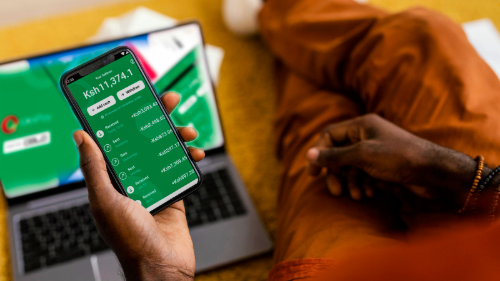
Opera has launched its MiniPay stablecoin wallet as a standalone iOS app, extending access to users across Africa for the first time. Previously embedded in the Opera Mini browser and limited to Android, the move positions MiniPay to compete more broadly in Africa’s $125 billion crypto payments market, where stablecoins made up $54 billion, 43% of transactions in 2024.
The app, built on the Celo blockchain, supports USDT, USDC, and cUSD, and now operates across both Android and iOS. It offers daily rewards, integration with platforms like M-Pesa and Apple Pay, and access to over 35 local currencies via third-party liquidity partners including Yellow Card, Fonbnk, and Transak.
MiniPay does not handle fiat transactions or conduct KYC checks directly, instead relying on regulated partners for on- and off-ramping. This structure may attract scrutiny in markets like Nigeria, where regulators increasingly view stablecoin platforms as securities exchanges. The app is backed by a $40 million fund led by Opera Group and investors such as Tether and JUMP. Opera plans to expand MiniPay’s functionality into e-commerce, travel, and DeFi payments over the next year.
Daba is Africa's leading investment platform for private and public markets. Download here
Points clés à retenir
Opera’s MiniPay expansion comes as Africa’s appetite for dollar-denominated digital assets continues to grow amid local currency volatility and inflation. Stablecoins—backed by the US dollar—offer a practical hedge, enabling everyday savings, payments, and cross-border transfers at low cost. The Celo-based app targets smartphone-first users, leveraging mobile-friendly infrastructure and existing payment rails like M-Pesa to lower the barriers to digital finance. With over 7 million wallets already created, MiniPay aims to become a leading non-custodial wallet across emerging markets. However, compliance remains a key challenge. MiniPay’s reliance on partners for KYC and fiat conversions raises regulatory questions in jurisdictions where crypto services must register as financial entities. In Nigeria, the Securities and Exchange Commission has already warned that stablecoin operators may fall under local securities laws. Still, Opera’s approach—pairing blockchain speed with local payment rails—mirrors growing efforts among fintechs to decentralize access to USD savings and payments. MiniPay’s success may hinge on how effectively it navigates regulation while scaling utility for users priced out of traditional banking.
Vous pensez que quelqu'un d'autre devrait voir ça ?









Investir dans cette opportunité et dans d'autres opportunités à travers l'Afrique
Téléchargez l'application daba finance sur votre mobile via

Passer à l'action.

Télécharger l'application

Entrez en partenariat avec nous
Débloquez des opportunités commerciales passionnantes et un potentiel de croissance.
Rejoindre Daba
Devenez membre de notre communauté dynamique et profitez d'avantages exclusifs.
Contactez-nous
Contactez-nous pour toute demande de renseignements, assistance ou collaboration.