


Standard Bank Becomes First African Lender to Plug Into China’s CIPS
TLDR
- Standard Bank has become the first African bank to directly integrate with China’s Cross-Border Interbank Payment System (CIPS)
- That provides African companies with a faster route to pay Chinese suppliers in Renminbi, rather than routing transactions through the US dollar
- The integration removes an extra step long embedded in Africa-China trade flows, where companies typically settled invoices in dollars
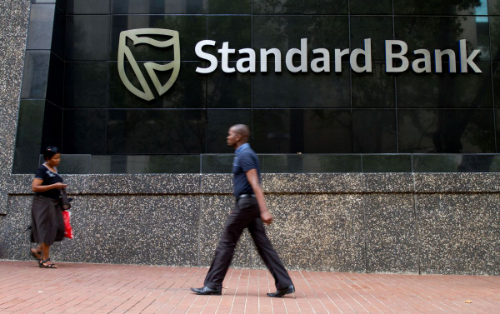
Standard Bank has become the first African bank to directly integrate with China’s Cross-Border Interbank Payment System (CIPS), providing African companies with a faster route to pay Chinese suppliers in Renminbi, rather than routing transactions through the US dollar.
The integration removes an extra step long embedded in Africa-China trade flows, where companies typically settled invoices in dollars, exposing them to delays, higher fees and currency volatility.
The shift comes as Chinese imports continue to dominate African trade. Standard Bank’s 2024 Trade Barometer shows 34% of African firms now import from China, up from 23% a year earlier. China-Africa trade reached $134 billion in the first five months of 2025, driven largely by finished goods flowing into Africa and raw materials travelling the other way.
CIPS allows global banks to clear and settle cross-border RMB payments directly and in near real time. Standard Bank secured its licence in June and has already gone live across its digital channels. With operations in 21 African countries, the bank says RMB settlement could ease cash-flow strain for import-heavy sectors such as manufacturing, electronics and construction.
The move aligns with a broader global push for diversified payment systems as geopolitical shifts reshape trade financing.
Daba's newsletter is now on Substack. Sign up here to get the best of Africa's investment landscape
Points clés à retenir
Standard Bank’s CIPS integration signals a notable step in the evolution of Africa-China trade, where the dominance of dollar-based settlement has long created friction for importers. Direct RMB clearing eliminates exposure to dollar liquidity shortages and exchange-control delays—issues that frequently affect African firms and complicate cash flow planning. By processing payments in real or near real time, CIPS also reduces operational risk for companies that source heavily from China. The bank’s move also reflects broader geopolitical shifts. As more countries create alternative payment channels to reduce reliance on the dollar, African lenders face pressure to modernise cross-border infrastructure. Standard Bank’s early adoption could give it an advantage among corporates seeking faster settlement and more predictable pricing. Longer term, the integration may influence how African central banks approach foreign-exchange management and deepen RMB usage in trade finance. If adoption accelerates, it could reshape settlement norms in one of Africa’s most important commercial corridors.
Vous pensez que quelqu'un d'autre devrait voir ça ?









Investir dans cette opportunité et dans d'autres opportunités à travers l'Afrique
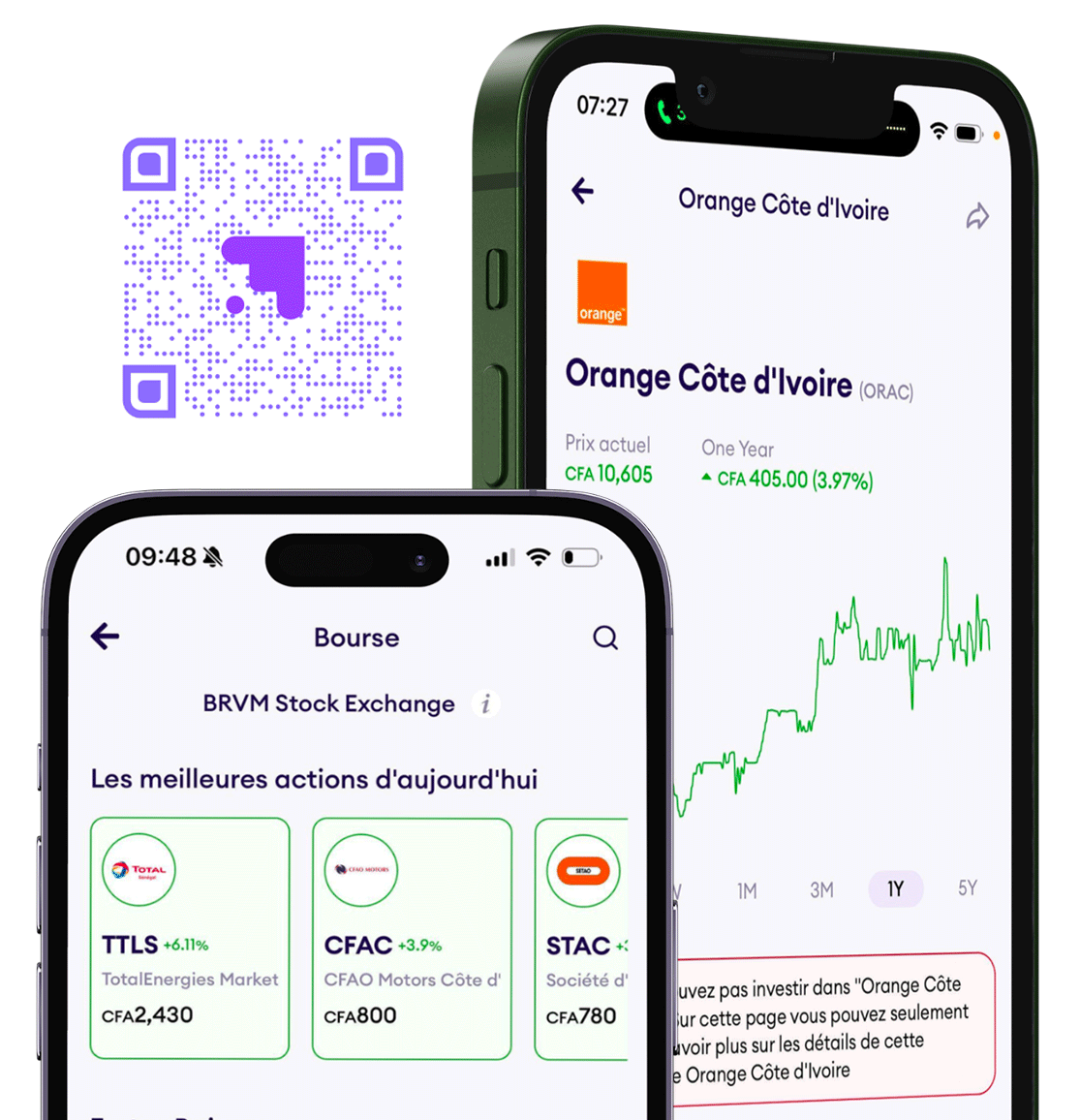
Téléchargez l'application daba finance sur votre mobile via

Passer à l'action.

Télécharger l'application

Entrez en partenariat avec nous
Débloquez des opportunités commerciales passionnantes et un potentiel de croissance.
Rejoindre Daba
Devenez membre de notre communauté dynamique et profitez d'avantages exclusifs.
Contactez-nous
Contactez-nous pour toute demande de renseignements, assistance ou collaboration.