


US Approves $414M Financing for Niger Uranium Project
TLDR
- US approves $414 million financing for Global Atomic's Dasa uranium project in Niger
- Global Atomic's Dasa project in Agadez region targets 68.1 million pounds of uranium oxide over 23 years
- Investment reflects US strategy to secure critical mineral supply, reducing dependence on Russian uranium
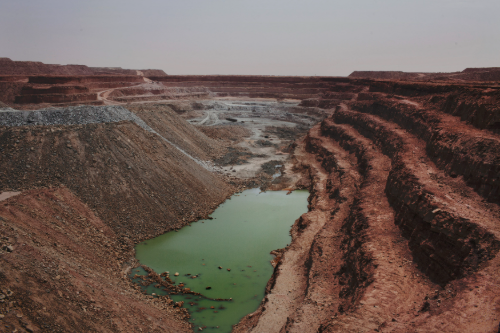
The US government has approved up to $414 million in financing for Global Atomic’s Dasa uranium project in Niger, marking a return of US investment to the country 2 years after American troops left. The US International Development Finance Corporation approved the debt facility for the Canadian miner’s project in the Agadez region.
Dasa is owned 80% by Global Atomic, with Niger’s government holding the remaining 20%. Global Atomic describes the deposit as the highest-grade uranium project in Africa. Its current mine plan targets 68.1 million pounds of uranium oxide over 23 years, giving Niger another source of production as demand for nuclear fuel increases.
The investment also comes as Niger reshapes its uranium industry. The government is in a dispute with French state-backed miner Orano, which has started arbitration after losing control of mining assets. Niger was the world’s 7th-largest uranium producer, according to the Reuters report.
The project still faces transport and security issues. Global Atomic has been studying alternative export routes because Niger is landlocked and routes to coastal ports have become harder to use. One option under review runs north through Algeria. Jihadist attacks and military unrest also remain risks to mine construction and exports.
The DFC financing forms part of a US push to secure more critical mineral supply. Uranium was added to the US critical minerals list in 2025, while Washington has been reducing its dependence on Russian uranium for nuclear reactors.
Points clés à retenir
The $414 million financing matters because uranium has become part of the competition to secure fuel for nuclear power plants. The US banned most Russian uranium imports in 2024, with temporary waivers allowed through 2027, while US reactors continue to depend on imported uranium and enrichment services. Dasa gives Washington access to another supply source while giving Global Atomic financing for a project that has faced delays since Niger’s 2023 coup. For Niger, the investment could bring capital into a uranium industry that has been disrupted by its dispute with Orano and changes in relations with Western governments. But approval of the loan does not remove the project’s risks. Global Atomic still needs a workable export route, continued government approvals and conditions that allow debt repayments and mine operations. Security also matters because uranium must move from a landlocked country to international customers. The ownership structure gives Niger a 20% interest in Dasa, meaning the government stands to benefit if production starts. The deal therefore links 3 issues: Niger’s need for mining investment, Global Atomic’s need for project finance and US efforts to diversify nuclear-fuel supply away from Russia.
Vous pensez que quelqu'un d'autre devrait voir ça ?









Investir dans cette opportunité et dans d'autres opportunités à travers l'Afrique
Téléchargez l'application daba finance sur votre mobile via

Passer à l'action.

Télécharger l'application

Entrez en partenariat avec nous
Débloquez des opportunités commerciales passionnantes et un potentiel de croissance.
Rejoindre Daba
Devenez membre de notre communauté dynamique et profitez d'avantages exclusifs.
Contactez-nous
Contactez-nous pour toute demande de renseignements, assistance ou collaboration.