


Iran War Drives Fuel Shock Across Africa as Govts Scramble to Respond
TLDR
- Fuel prices spike across Africa due to the Iran conflict, prompting emergency measures and shortages in some countries.
- Governments like Namibia, Kenya, and Egypt take actions to mitigate price hikes and energy demand.
- Africa's dependence on imported fuel exposes vulnerabilities to external shocks, impacting economies and necessitating long-term energy diversification investments.
The war involving Iran is pushing fuel prices higher across Africa, forcing governments to take emergency measures as supply tightens and costs rise, according to a Bloomberg report.
Several countries have moved to cushion the impact. Namibia is cutting fuel levies, while Kenya plans to use petroleum taxes to cap prices. In Egypt, authorities imposed a 9 p.m. curfew on some businesses to reduce energy demand, while securing additional supply from Libya.
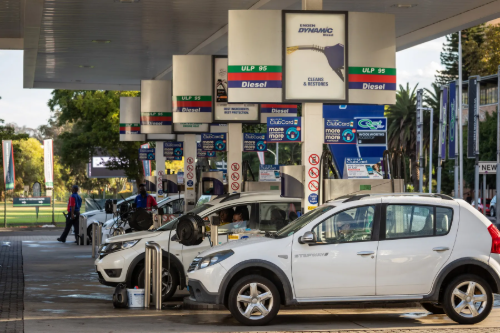
Shortages are already visible in parts of the continent. In Ethiopia, motorists have queued for days at fuel stations, prompting some firms to adopt remote work. In Somalia, fuel prices have more than doubled.
Even major producers are not immune. Nigeria has maintained supply through domestic refining capacity, including output from the Dangote refinery, but pump prices have still increased.
In South Africa, diesel prices could rise by more than 50% and gasoline by about 30%, marking the largest increase since 2008. The government is considering measures to limit the impact, including potential tax adjustments.
Key Takeaways
The fuel shock highlights Africa’s structural dependence on imported refined petroleum products and the limited policy tools available to manage external energy shocks. Many African economies rely on global fuel markets, making them highly exposed to geopolitical disruptions. When oil prices rise, the impact is transmitted quickly through transport costs, food prices and overall inflation. Governments often respond by cutting fuel taxes or introducing subsidies, but these measures reduce fiscal revenue and can widen budget deficits. In countries with limited tax bases and high debt levels, such trade-offs are difficult to sustain. Supply disruptions also expose weaknesses in local storage, logistics and refining capacity. While some countries, such as Nigeria, are improving domestic refining, most still depend on imports. The shock also has second-round effects on agriculture and industry, where higher fuel costs increase production expenses and can reduce output. Over time, repeated external shocks strengthen the case for investment in local refining, renewable energy and energy diversification. However, these transitions require significant capital and time, leaving many countries vulnerable in the short term.
Think someone else should see this?









To invest in this opportunity and other opportunities across Africa
Download the daba finance app on your mobile through


Take action.

Download app

Partner with us
Unlock exciting business opportunities and growth potential.
Join Daba
Become a part of our vibrant community and enjoy exclusive benefits.
Contact us
Reach out to us for inquiries, support, or collaboration.