


African Assets Outperform Emerging Markets Amid Iran War Tensions
TLDR
- African assets outperform broader emerging markets amid Iran conflict, highlighting continent's potential as investment destination.
- African local-currency bonds show resilience, delivering twice the returns of global peers over 12 months.
- Nigeria and Ghana's equities perform well, indicating African markets are influenced more by internal factors than global events.
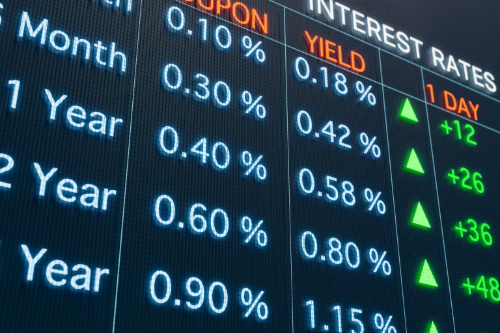
African assets have outperformed broader emerging markets since the start of the Iran conflict, challenging perceptions of the continent as a high-risk investment destination. Bloomberg data shows African local-currency bonds have declined less than the wider emerging-market index during the period. Over the past 12 months, they have delivered roughly double the returns of their peers.
Equities have also held up. Nigeria’s benchmark index has returned more than 5% in dollar terms since late February, while Ghana’s stock market is the best-performing globally this year.
The data suggests African markets are relatively insulated from global geopolitical shocks, with performance driven more by domestic factors than external events.
However, risks remain. Energy importers such as Kenya and South Africa face pressure from higher oil prices, while currency weakness could increase debt servicing costs.
Investors are increasingly taking a longer-term view, with funds such as Africa Opportunity Fund posting strong returns across sectors including banking and telecoms.
Key Takeaways
Africa’s recent market performance highlights a gap between perception and reality in global investing. The continent is often grouped with higher-risk emerging markets, but its economic and financial dynamics are not always closely tied to global cycles. Many African economies are driven by domestic consumption, regional trade, and local financial systems, which can provide insulation during global shocks. The outperformance of local-currency bonds and equities during a period of geopolitical tension suggests that investors may be underestimating the diversification benefits of African assets. At the same time, structural risks remain significant. Currency volatility, high debt levels, and exposure to commodity price swings can affect returns, particularly in countries dependent on imports such as fuel or fertilizer. Political instability in certain regions also continues to weigh on sentiment. For investors, the opportunity lies in selective exposure, focusing on markets and sectors with strong fundamentals, such as banking, telecoms, and consumer-driven businesses. As more data supports the case for resilience, Africa may gradually shift from being viewed as a high-risk allocation to a differentiated source of returns within global portfolios.
Think someone else should see this?









To invest in this opportunity and other opportunities across Africa
Download the daba finance app on your mobile through

Take action.

Download app

Partner with us
Unlock exciting business opportunities and growth potential.
Join Daba
Become a part of our vibrant community and enjoy exclusive benefits.
Contact us
Reach out to us for inquiries, support, or collaboration.