


Telecom Giants Airtel, Glo Resume Airtime Lending in Nigeria
TLDR
- Airtel and Globacom have resumed airtime lending in Nigeria after the suspension of digital lending rules by the FCCPC.
- The dispute arose from the widened scope of the rules to include airtime and data credit services, leading to operators suspending the service to avoid sanctions.
- The return of airtime lending highlights the need for clearer regulatory boundaries between consumer lending, telecom services, and buy-now-pay-later products in Nigeria.
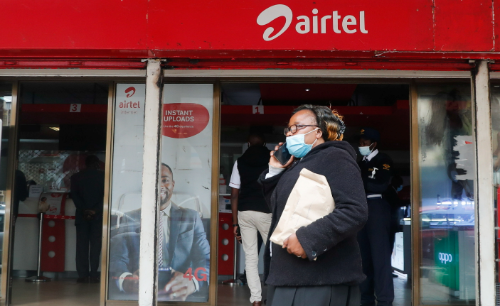
Airtel and Globacom have resumed airtime lending in Nigeria after the country’s consumer protection regulator suspended enforcement of digital lending rules that had disrupted the service.
The Federal Competition and Consumer Protection Commission said on May 22 that it had suspended enforcement of its Digital, Electronic, Online or Non-Traditional Consumer Lending Regulations 2025. The decision followed an interim order from the Federal High Court in Lagos, which restrained the regulator from implementing the rules after a lawsuit filed by the Wireless Application Service Providers Association of Nigeria.
The suspension restores services such as Globacom’s “Borrow Me Credit” and Airtel airtime advances, which many subscribers use during emergencies or temporary cash shortages. WASPAN chairman Ayo Stuffman said the services were already active on Airtel and Glo, while MTN is also expected to resume.
The dispute began after the FCCPC widened the scope of the rules to include airtime and data credit services. That would have treated telcos and value-added service providers offering deferred-payment airtime as lenders, requiring them to meet registration, disclosure and consumer protection rules.
WASPAN argued that airtime credit is a telecom value-added service already regulated by the Nigerian Communications Commission, not a cash loan. Operators including MTN, Airtel and Globacom suspended the service in April to avoid sanctions. The FCCPC said it will challenge the court order, leaving the long-term regulatory treatment of airtime lending unresolved.
Key Takeaways
The return of airtime lending shows how sensitive Nigerian digital services are to regulatory overlap. Airtime advances are small, short-term telecom services used by millions of subscribers, especially low-income users who may need to make calls or buy data before their next cash inflow. The FCCPC’s digital lending rules were created to stop abusive loan-app practices such as harassment, public shaming and unclear repayment terms. But extending the same framework to airtime credit created conflict with the NCC, which already regulates telecom value-added services. The dispute shows the need for clearer boundaries between consumer lending, telecom services and buy-now-pay-later products. For telcos and value-added service providers, the risk is business disruption and lost revenue when rules change without coordination. For consumers, the risk is losing access to a service that functions as emergency communication support. The next step will likely be a harmonised framework between the FCCPC and NCC that protects users without treating airtime credit exactly like cash lending.
Think someone else should see this?









To invest in this opportunity and other opportunities across Africa
Download the daba finance app on your mobile through

Take action.

Download app

Partner with us
Unlock exciting business opportunities and growth potential.
Join Daba
Become a part of our vibrant community and enjoy exclusive benefits.
Contact us
Reach out to us for inquiries, support, or collaboration.