


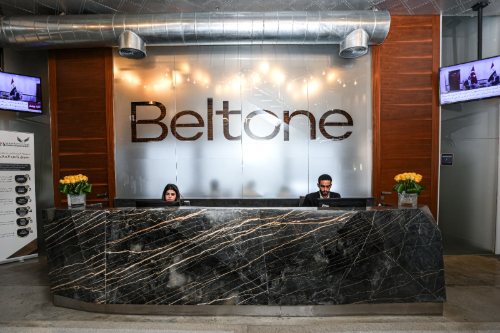
Beltone Books 3.5x Return in BirdNest Partial Exit
TLDR
- Beltone Venture Capital achieves 3.5x return with partial exit from BirdNest, producing an 80% internal rate of return over two years.
- Partial exit by Beltone keeps stake in BirdNest for future growth opportunities while returning cash to investors.
- BirdNest's substantial revenue growth in US dollars and profitability highlight positive outcome despite undisclosed pricing details.
Beltone Venture Capital completed a partial exit from Egyptian property-technology and hospitality company BirdNest, returning 3.5 times its invested capital over two years. The deal produced an internal rate of return of 80%, Beltone said on August 3. The buyer, transaction value and size of the stake sold were not disclosed.
The sale covered Beltone’s direct holding and its indirect interest through a fund with UAE-based Citadel International Holdings. Beltone kept a stake in BirdNest, giving the firm exposure to future growth while returning cash to investors. The transaction did not amount to a full exit.
Beltone and CI Venture Capital, a Citadel unit, led BirdNest’s pre-Series A round in May 2024. The investors acquired a combined 20% stake, though the amount invested was not disclosed. BirdNest runs a technology platform for boutique hotels and holiday homes, with services tied to property management, bookings and guest stays.
BirdNest said its revenue measured in US dollars grew more than 10 times during the two-year investment period and that the business reached profitability. Chief Executive Officer Mostafa Elnahawy said the company plans to build on that growth. Beltone Chief Executive Officer Ali Mokhtar said the exit lets the firm return capital while supporting BirdNest through Beltone’s financial services network.
The return adds to Beltone’s record of selling stakes from a portfolio it began building in 2023. The firm had reported 5 exits by May 2026, including a sale from logistics company Bosta through the Citadel fund. For Egypt’s venture market, the BirdNest deal provides a cash return at a time when currency changes have reduced dollar returns on local investments. It also keeps BirdNest linked to a local financial group as it expands. Still, the lack of pricing details makes it hard to assess BirdNest’s valuation or how much cash Beltone returned.
Key Takeaways
The key issue is not the headline return alone, but what the exit says about Egypt’s venture market. A 3.5x multiple means Beltone received 3.5 times the capital tied to the shares it sold. The 80% internal rate of return reflects the timing of those cash flows over two years. Because this was a partial exit, neither figure shows the return on Beltone’s BirdNest investment. The firm still owns shares that may gain or lose value. The deal matters because venture funds need exits to return cash to investors and raise new funds. Egypt has produced funding rounds, but currency devaluation has cut dollar returns for investors whose portfolio companies earn in Egyptian pounds. BirdNest’s claim that dollar revenue rose more than 10 times and that it reached profitability helps explain the result. Revenue growth in dollars can protect part of an investor’s return from currency moves. Still, the buyer, sale price, stake size and company valuation were not disclosed. That limits any comparison with BirdNest’s 2024 funding round or other Egyptian exits. The next test is whether BirdNest can keep growing after the sale and whether Beltone can repeat the result across more companies without relying on one transaction.
Think someone else should see this?









To invest in this opportunity and other opportunities across Africa
Download the daba finance app on your mobile through

Take action.

Download app

Partner with us
Unlock exciting business opportunities and growth potential.
Join Daba
Become a part of our vibrant community and enjoy exclusive benefits.
Contact us
Reach out to us for inquiries, support, or collaboration.