


BOA Niger Rebuilds After Year of Exceptional Provisions Gutted Profit
TLDR
- BOA Niger's strategic decision to clean up its loan book led to a 92% decrease in net profit in 2025.
- Despite the zero dividend for the financial year, the market has responded positively, with a 28.7% stock gain in 2026.
- The bank's focus for 2026 is on portfolio quality, operational efficiency, and SME transformation to drive recovery and growth.
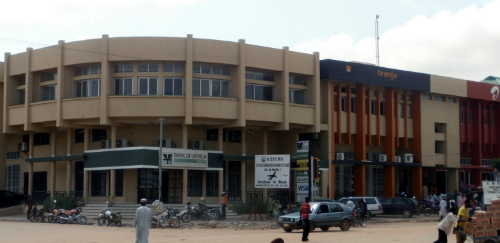
Bank of Africa Niger (BRVM: BOAN) ended 2025 with net profit of just 409 million FCFA ($731,000) — a 92% collapse from 5 billion FCFA ($8.9 million) the year before — not because the business broke down, but because management chose to clean it up. A one-off provision of 4.8 billion FCFA ($8.6 million) was booked to address a loan book that had accumulated risk in a difficult operating environment, where the sector-wide default rate stood at 24%.
The underlying business held its ground. Net banking income slipped only 1.2% and deposits grew 4%, outperforming a market where deposits rose just 1% and credit contracted 4%. BOA Niger deliberately shrank its loan book by 21% — a decision framed as prudent rather than a retreat, with a pivot toward SME lending where new files grew 19%.
The cost of that balance sheet cleanse is now largely behind the bank. Q1 2026 confirms the pivot: net profit rose 29% year-on-year to 1.47 billion FCFA ($2.6 million), costs fell 9%, and the operating efficiency ratio improved to 56.2% from 66.8% a year earlier. The stock has responded — up 28.7% year-to-date through April.
No dividend will be paid for the 2025 financial year, a consequence of the exceptional provisions taken. The bank has guided investors toward three priorities for 2026: portfolio quality, operational efficiency, and SME transformation.
Despite the zero dividend, the market's reaction — a 28.7% stock gain this year — reflects a belief that the provisioning cycle is done and earnings are recovering. At a price-to-book of 1.5x, the market is pricing in a recovery rather than a crisis.
Key Takeaways
BOA Niger's 2025 result is a textbook example of a bank choosing short-term pain over deferred reckoning. The 4.8 billion FCFA exceptional provision, taken against a backdrop of a sector default rate of 24% in Niger, was a management decision to recognise losses rather than carry them forward. Niger's banking sector operates under conditions that make credit risk genuinely elevated: the country has been under military rule since 2023, faces economic sanctions from ECOWAS that were later softened but left lasting damage to trade and business activity, and is landlocked in one of West Africa's most commercially constrained environments. In that context, a bank that grew deposits by 4% while the sector grew 1% and simultaneously deleveraged its loan book was making a strategic choice about where it wants to sit when conditions improve. The Q1 2026 recovery — profit up 29%, costs down 9%, efficiency ratio improving sharply — is early but real evidence that the repositioning is working. For BRVM investors, the zero dividend for 2025 was the price of the clean-up; the question for 2026 is whether earnings recovery continues at the pace Q1 suggests, and whether the SME lending pivot generates loan growth without recreating the asset-quality problems the bank just spent a year resolving.
Companies in this story
Think someone else should see this?









To invest in this opportunity and other opportunities across Africa
Download the daba finance app on your mobile through


Take action.

Download app

Partner with us
Unlock exciting business opportunities and growth potential.
Join Daba
Become a part of our vibrant community and enjoy exclusive benefits.
Contact us
Reach out to us for inquiries, support, or collaboration.