


E-Commerce Startup Breadfast Launches Restaurant Delivery in Egypt
TLDR
- Breadfast expands services beyond groceries, bakery, coffee & pharmacy with new restaurant delivery, Breadfast Food.
- Customers can now order from selected restaurants using the same Breadfast app, leveraging existing technology & delivery network.
- Breadfast plans to grow its restaurant partners, extend service across more Egyptian governorates, enhancing daily household spending app strategy.
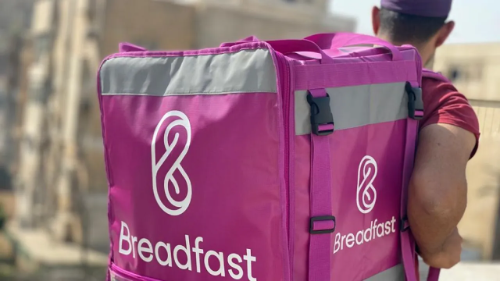
Egyptian commerce platform Breadfast has launched restaurant delivery through a new service called Breadfast Food, expanding beyond groceries, bakery, coffee and pharmacy products. The launch follows a beta period and allows customers to order from selected restaurants through the same Breadfast app.
Breadfast Food will use the company’s existing technology, logistics and delivery network. Customers can access restaurant menus, daily offers and discounts without switching to another platform. Breadfast plans to expand the number of restaurant partners and make the service available in more Egyptian governorates.
The move extends Breadfast’s strategy of building one app around daily household spending. Founded in 2017 by Mostafa Amin, Muhammad Habib and Abdallah Nofal, the company began with bread delivery before moving into groceries, private-label goods, coffee, pharmacy products and financial services through Breadfast Pay.
Breadfast raised $50 million in a pre-Series C round in February 2026 from investors including SBI Investment, IFC, EBRD, Novastar Ventures, AAIC, Olayan Financing Company, Y Combinator and 4DX Ventures. The funding was earmarked for expansion in Egypt, supply-chain infrastructure and new business lines.
Restaurant delivery adds another source of orders to the same customer base and delivery system. Breadfast said the service will also create opportunities for restaurants to reach more users and could support hundreds of new rider jobs as it expands. The company is using artificial intelligence across its operations to forecast demand, manage inventory and route deliveries.
Key Takeaways
Breadfast Food moves the company closer to a super-app model built around frequent consumer spending rather than a grocery service alone. Restaurant delivery is a crowded market, but Breadfast enters it with assets it has already paid to build: customers, delivery riders, fulfilment systems, payments and an app used for other purchases. That can lower the cost of adding another service if existing users order meals without Breadfast having to acquire them again. The strategy also increases the number of times a customer can use the app in a week, which can improve order density and make delivery infrastructure more productive. Breadfast has been moving in this direction for several years. It added pharmacy, private-label products and Breadfast Pay before raising $50 million in February to expand its consumer supply-chain platform. The challenge is that restaurant delivery has different economics from grocery fulfilment. Breadfast does not control restaurant inventory in the same way it manages products from its own supply chain, and it must compete for restaurants, riders and customers with established food-delivery platforms. The next test is whether Breadfast Food adds profitable orders rather than only more volume.
Think someone else should see this?









To invest in this opportunity and other opportunities across Africa
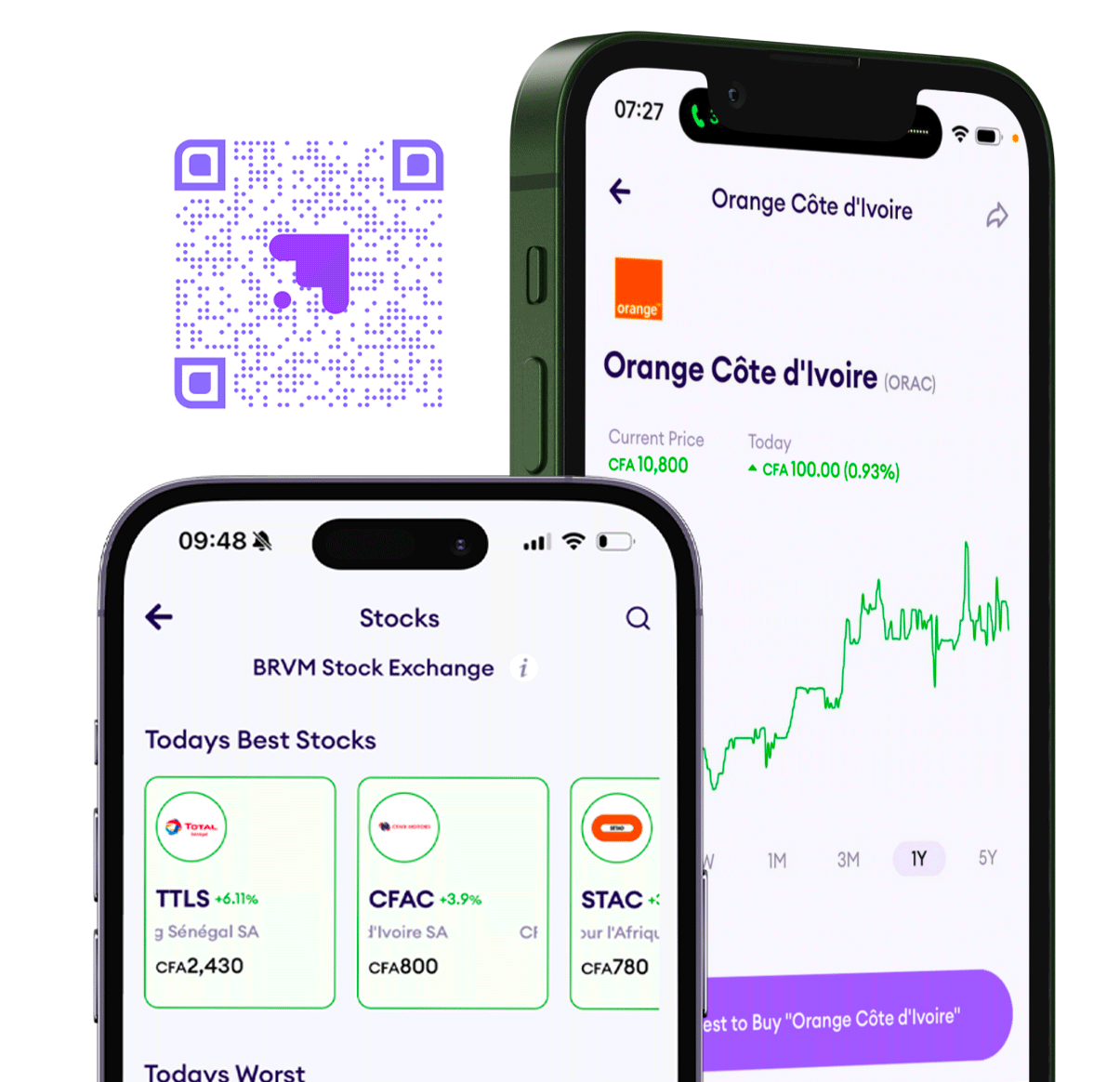
Download the daba finance app on your mobile through

Take action.

Download app

Partner with us
Unlock exciting business opportunities and growth potential.
Join Daba
Become a part of our vibrant community and enjoy exclusive benefits.
Contact us
Reach out to us for inquiries, support, or collaboration.