


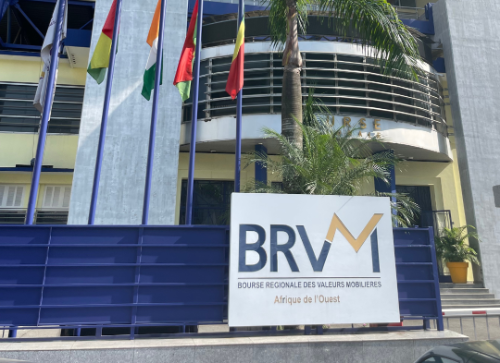
BRVM Marks 29 Years as a Regional Capital Markets Anchor
TLDR
- The Regional Stock Exchange (BRVM) marked its 29th anniversary on December 18, underscoring its role as a shared capital market for the eight WAEMU member states
- Created in 1996, the BRVM remains one of the few fully regional stock exchanges in the world, serving as a single marketplace for government and corporate financing across the bloc
- Over nearly three decades, the exchange has become a core funding channel for WAEMU economies
The Regional Stock Exchange (BRVM) marked its 29th anniversary on December 18, underscoring its role as a shared capital market for the eight member states of the West African Economic and Monetary Union.
Created in 1996, the BRVM remains one of the few fully regional stock exchanges in the world, serving as a single marketplace for government and corporate financing across the bloc.
Over nearly three decades, the exchange has become a core funding channel for WAEMU economies. Governments have relied on it to issue sovereign bonds to finance public spending, while companies have used equity and debt listings to fund expansion, improve governance and raise their regional profile.
The model has helped pool savings, harmonize rules and deepen financial integration across countries with different economic structures.
The BRVM has also pursued gradual modernization, aligning its market practices with international standards on transparency, disclosure and investor protection. These efforts have supported growing participation from both local and foreign investors and strengthened confidence in the regional financial system.
As it enters its thirtieth year, the BRVM says it will continue reforms aimed at expanding access to capital markets, supporting small and mid-sized companies, and reinforcing its role as a tool for economic integration and long-term development in West Africa.
Daba's newsletter is now on Substack. Sign up here to get the best of Africa's investment landscape
Key Takeaways
The BRVM’s regional structure gives it strategic importance at a time when WAEMU countries face rising needs for infrastructure, industrialization and energy transition financing. By offering a common market, the exchange reduces fragmentation and allows issuers to tap a broader pool of savings than national markets could provide on their own. The exchange is also positioning itself around future growth themes. Digitalization of market processes, wider investor participation and the development of sustainable finance instruments are becoming central priorities. These efforts aim to attract more private capital, including long-term institutional investors, while supporting responsible financing aligned with social and environmental goals. With bank lending often constrained, capital markets are expected to play a larger role in funding development across the region. The BRVM’s challenge will be to convert its stability and regional reach into higher liquidity, more listings and deeper secondary market activity. Its next phase will test whether a regional exchange can move from being a reliable funding platform to a stronger engine of private-sector growth and shared prosperity across WAEMU.
Think someone else should see this?









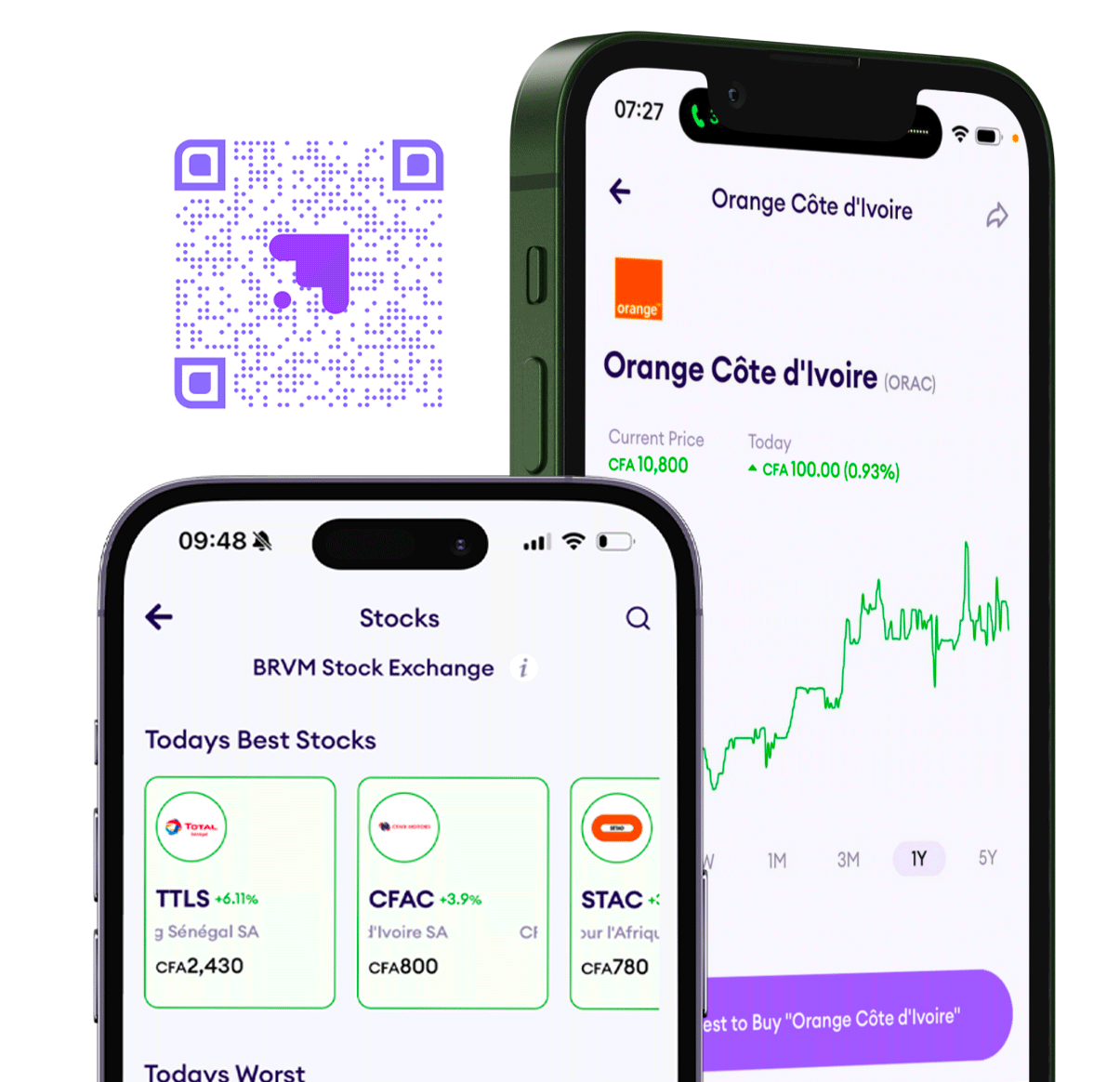
To invest in this opportunity and other opportunities across Africa
Download the daba finance app on your mobile through

Take action.

Download app

Partner with us
Unlock exciting business opportunities and growth potential.
Join Daba
Become a part of our vibrant community and enjoy exclusive benefits.
Contact us
Reach out to us for inquiries, support, or collaboration.