


Illegal Gamblers Are Beating Benin's State Lottery at Its Own Game
TLDR
- Benin's state lottery operator, LNB, experienced a 36% decrease in net profit in 2025 due to competition from unlicensed operators offering better odds.
- Revenue of LNB dropped by 4% to 98.6 billion FCFA ($176.2m) with illegal slot machines and unregistered betting sites impacting its performance.
- Despite the profit decline, underlying business remains strong with a 22% increase in value added and 34% rise in gross operating surplus, with plans to launch a unified online platform in 2026.
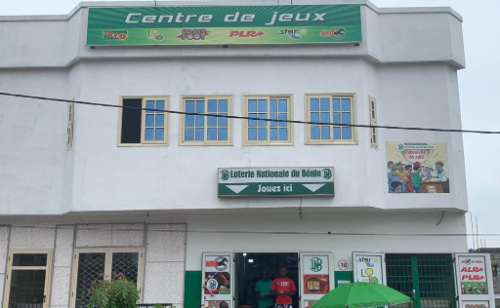
Benin's state lottery operator (BRVM: LNBB) posted a 36% fall in net profit in 2025 and the company's management was unusually candid about why: unlicensed competitors are winning.
LNB's revenue fell 4% to 98.6 billion FCFA ($176.2m) as illegal slot machines and unregistered betting sites proliferated across the country. Those operators pay no taxes and face no regulatory payout caps, allowing them to offer gamblers better odds than LNB is legally permitted to give. The company identified more than 10 illegal sites in a single quarter and notified regulators, but enforcement has been slow.
The underlying business is not broken. Value added rose 22%, gross operating surplus jumped 34%, and online gaming — now 68% of revenue — grew 18%. The profit drop was largely caused by the absence of a large exceptional item that had flattered the 2024 result, combined with a more than doubling of the tax charge. The board still plans to distribute 80% of distributable profit as dividends.
Management said it expects conditions to improve in 2026 and plans to launch a unified online platform covering casino, sports betting and virtual games, and to integrate mobile money payments to widen its reach.
Key Takeaways
LNB holds a legal monopoly on gambling in Benin under a 2004 law, operates through 3,000 points of sale, and channels a portion of its earnings to the public treasury. Its flagship Loto 5/90 product — a simple numbers game playable for as little as 100 FCFA — generates most of its revenue and is accessible to anyone regardless of literacy. The illegal gambling problem it faces is not unique to Benin; it is playing out across West Africa, where smartphone penetration is enabling offshore and unlicensed platforms to reach bettors in markets where regulation is still catching up. LNB's strategic response — leaning into digital and mobile money — is logical but puts it in direct competition with nimbler, less-regulated operators. The state lottery's core advantage is trust and legitimacy, which matters to a segment of the market. Its financial autonomy ratio of 2.06 means equity covers liabilities twice over, so the balance sheet is sound even if the income statement is under pressure.
Think someone else should see this?









To invest in this opportunity and other opportunities across Africa
Download the daba finance app on your mobile through

Take action.

Download app

Partner with us
Unlock exciting business opportunities and growth potential.
Join Daba
Become a part of our vibrant community and enjoy exclusive benefits.
Contact us
Reach out to us for inquiries, support, or collaboration.