


Cameroon to Launch First Census in Two Decades Next Month
TLDR
- Cameroon initiating fourth General Population and Housing Census from April 24 to May 29, addressing the outdated demographic data issue since 2005.
- New census aims to provide accurate data for budget planning, infrastructure development, public spending alignment, and agriculture/livestock insights.
- Outdated census data in Africa poses challenges for economic planning and investment decisions, highlighting the significance of accurate demographic data for policy-making and international cooperation.
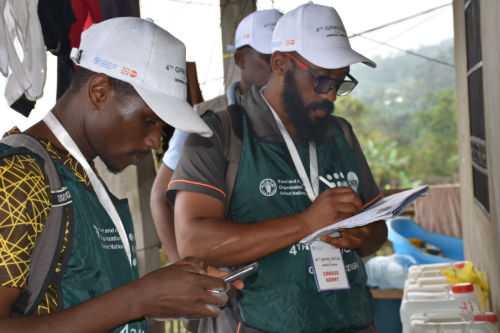
Cameroon will begin its fourth General Population and Housing Census on April 24, with field operations running through May 29, marking the country’s first full census since 2005.
The timeline was set by a decree signed on March 6 by Prime Minister Joseph Dion Ngute. The population census will be conducted alongside the General Census of Agriculture and Livestock as part of a joint data collection exercise.
The operation ends a process launched in 2015 that faced repeated delays. In the absence of updated census data, authorities have relied on projections based on the 2005 census, which estimated the population at about 20 million. The lack of recent data has limited policy planning, particularly in areas such as household structure, internal migration and regional population distribution.
The government said the new census will support budget planning and guide investment in infrastructure, including schools, health facilities, water systems and transport networks. Authorities are also seeking to better align public spending with rapid urban growth.
The combined census will also provide detailed data on agriculture and livestock, including farm inventories, cultivated land and production trends. The information is expected to support rural income analysis and food security planning, while reducing operational costs by merging the two data collection efforts.
Key Takeaways
Cameroon’s census highlights a broader issue across many African economies where outdated demographic data affects economic planning and investment decisions. Population data is a core input for fiscal policy, infrastructure allocation and private sector investment. Without recent census data, governments rely on estimates that may not reflect changes in urbanisation, migration or household income levels. Cameroon’s last census in 2005 means policymakers have been working with data that is more than 20 years old. This creates gaps in planning for sectors such as housing, education and healthcare. The new census will provide a baseline for long-term development strategies and improve the targeting of public spending. It will also support international institutions such as the World Bank, which is co-financing part of the operation through regional statistical programs. The total cost of the census is estimated at about 13.28 billion FCFA, with more than 7 billion FCFA funded by external partners and the rest covered by the state. Combining the population census with agriculture and livestock data collection reflects a shift toward integrated data systems aimed at reducing costs and improving statistical coverage. Investors and development partners will use the updated data to assess market size, labor force trends and regional growth dynamics, which are key inputs for long-term capital allocation decisions.
Think someone else should see this?









To invest in this opportunity and other opportunities across Africa
Download the daba finance app on your mobile through


Take action.

Download app

Partner with us
Unlock exciting business opportunities and growth potential.
Join Daba
Become a part of our vibrant community and enjoy exclusive benefits.
Contact us
Reach out to us for inquiries, support, or collaboration.