


Nigeria Sets N15B Capital Requirement For Foreign Stablecoin Issuers

TLDR
- The Central Bank of Nigeria introduced new regulations for virtual assets, effective November 5, 2026.
- Foreign currency-backed stablecoin issuers now require 15 billion naira minimum paid-up capital and local incorporation.
- The rules also tighten controls on peer-to-peer cryptocurrency transactions, mandating identity verification and CBN approval.
The Central Bank of Nigeria has introduced new regulations, setting a minimum paid-up capital of 15 billion naira for foreign currency-backed stablecoin issuers. The apex bank also implemented stricter approval and identity verification requirements for platform-facilitated peer-to-peer cryptocurrency transactions. These rules are detailed in the "Regulations for the Operations of Non-Security Virtual Assets in Nigeria," issued on November 5, 2026.
Under the framework, foreign currency-referenced stablecoins, classified as Class 2, must be issued by a Nigerian-incorporated entity holding a valid CBN license. This entity requires a staffed physical office, effective local management, and capacity to meet supervisory requirements. Eligible capital must be held in cash in a designated CBN account or in Federal Government securities. P2P service providers also need specific CBN approval and must link crypto traders' identities to bank accounts.
The regulations mandate a minimum paid-up capital of 15 billion naira for Class 2 stablecoin issuers, higher than the 10 billion naira for Class 1 naira-referenced stablecoins and 1 billion naira for other non-security virtual asset service providers. Issuers must maintain reserves equivalent to at least 100% of outstanding obligations, plus a 2% buffer. Stablecoins exceeding 500 billion naira in circulating value for 30 days or used by over 5 million people will be classified as systemically important.
These requirements impose significant regulatory and financial obligations on foreign stablecoin businesses seeking access to the Nigerian market. Companies, including those affiliated with international groups, must ensure their Nigerian entities are fully compliant and maintain separate funds for capital adequacy and reserves. The rules apply to all operators, domestic and foreign, serving Nigerian customers, aiming to strengthen identity verification and combat financial crimes.
The CBN's new regulations build on a series of recent policy moves aimed at regulating Nigeria's crypto market. Earlier this year, President Bola Tinubu signed the Presidential Executive Order on Virtual Assets Coordination, 2026, followed by the Nigeria Revenue Service's guidelines on virtual asset taxation. The Securities and Exchange Commission has also admitted 14 crypto firms into its Accelerated Regulatory Incubation Programme. This comprehensive framework aims to provide a clear regulatory environment for digital payment instruments.
Key Takeaways
Think someone else should see this?








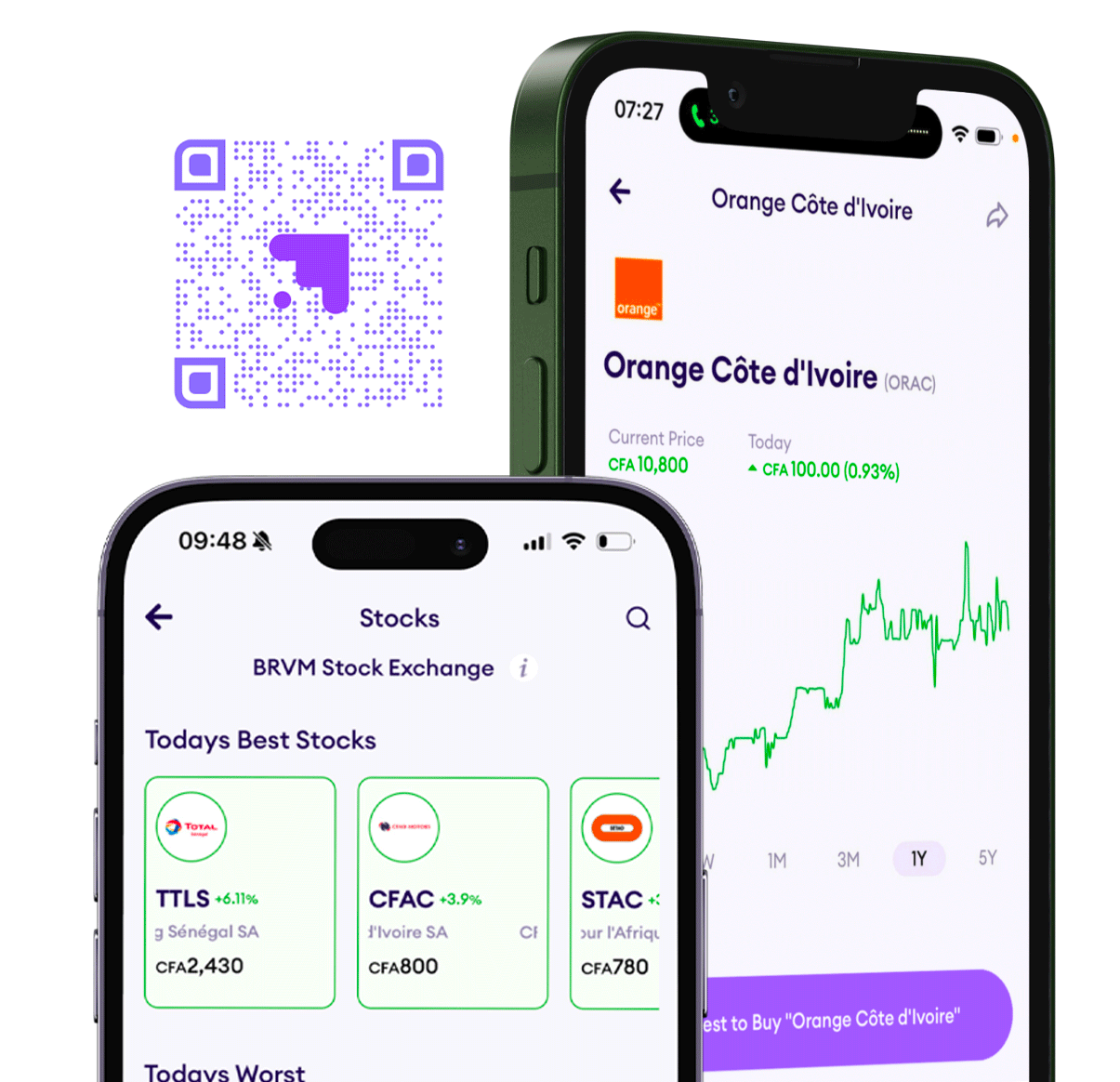
To invest in this opportunity and other opportunities across Africa
Download the daba finance app on your mobile through

Take action.

Download app

Partner with us
Unlock exciting business opportunities and growth potential.
Join Daba
Become a part of our vibrant community and enjoy exclusive benefits.
Contact us
Reach out to us for inquiries, support, or collaboration.