


Zijin to Acquire Allied Gold for $4B as Africa Push Grows
TLDR
- Zijin Mining finalizes $4 billion acquisition of Allied Gold Corporation to strengthen grip on African gold production amid surging prices.
- Acquisition includes mines in Mali, Ivory Coast, and the under-construction Kurmuk project in Ethiopia, boosting production expectations to 800,000 ounces annually by 2029.
- Deal expected to close by late April 2026, marking Chinese control over key gold assets in Africa amidst rising gold prices.
Zijin Mining is finalizing a $4 billion all-cash acquisition of Allied Gold Corporation, tightening its grip on African gold output as prices surge.
Under the agreement, Zijin Gold International will pay C$44 a share, valuing Allied Gold at about $4 billion. The assets produced about 400,000 ounces in 2025 and are expected to reach about 800,000 ounces a year by 2029. The deal is expected to close by late April 2026.
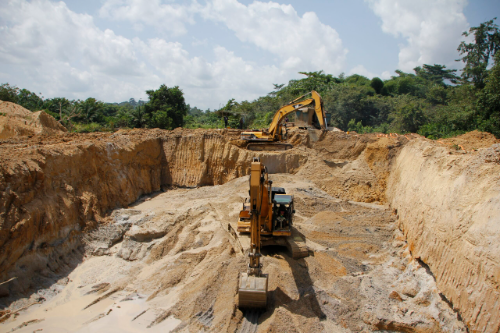
The transaction brings mines in Mali and Ivory Coast, as well as the under-construction Kurmuk project in Ethiopia, under Chinese control. Mali’s Sadiola mine produced 171,000 ounces in 2024 and is targeting 400,000 ounces a year by 2029 following an expansion and changes to the country’s mining code. In Ivory Coast, the Bonikro and Agbaou mines are expected to produce as much as 195,000 ounces annually.
The Kurmuk project will become Ethiopia’s first commercial gold mine. It is scheduled to start production in mid-2026 and is expected to deliver about 290,000 ounces a year in its first five years.
The acquisition was announced as gold prices climbed above $5,000 an ounce, boosting interest in established African assets.
Key Takeaways
The deal highlights how Africa’s gold sector is attracting capital during a period of record prices, while ownership shifts toward Chinese groups. Zijin already controls more than 8% of Africa’s mining output, and this transaction accelerates that trend. For countries such as Mali and Ethiopia, the acquisition brings funding and operational capacity to expand production. Governments retain minority stakes and benefit from royalties, especially as prices rise. At the same time, the deal shows a gap between Western policy goals on supply chain diversification and actual investment flows. Chinese miners, backed by long-term financing, can make large cash offers for producing assets. As gold shifts from a commodity to a strategic reserve asset, African governments may face pressure to strengthen resource policies to balance capital inflows with long-term control and revenue capture.
Think someone else should see this?









To invest in this opportunity and other opportunities across Africa
Download the daba finance app on your mobile through

Take action.

Download app

Partner with us
Unlock exciting business opportunities and growth potential.
Join Daba
Become a part of our vibrant community and enjoy exclusive benefits.
Contact us
Reach out to us for inquiries, support, or collaboration.