


Congo's Trade Surplus Surges to 867 Billion FCFA in Q2 2026
TLDR
- The Congo posted a trade surplus of 867 billion CFA francs in the second quarter of 2026.
- Hydrocarbon exports rose 61.7%, driven by both prices and volumes.
- Imports rose by only 5.9%, contributing to the widening of the surplus.
The Congo saw a sharp increase in its trade surplus in the second quarter of 2026. The trade surplus in goods reached 867 billion CFA francs, according to data published by the General Directorate of the Economy (DGE) and the General Directorate of Customs and Indirect Taxes (DGDDI). This figure represents a 124.6% increase compared to the 386.1 billion CFA francs recorded during the same period in 2025. This improvement is detailed in the Second-Quarter Economic Outlook Report.
This marked improvement stems primarily from a widening gap between the Congo’s foreign sales and its purchases. Exports reached 1,463.7 billion CFA francs in the second quarter of 2026, marking a 55.1% increase compared to the 949.5 billion CFA francs recorded the previous year. At the same time, imports rose by only 5.9%, from 563.4 billion CFA francs to 596.6 billion CFA francs. This trend automatically strengthened the country’s ability to cover its foreign purchases with its sales.
The export-to-import coverage ratio thus stood at 245.3%, compared to 168.5% a year earlier. Most of this dramatic improvement in the trade balance is attributable to hydrocarbons. Exports of crude hydrocarbons surged by 61.7% to reach 1,371.4 billion CFA francs, compared with 848.0 billion CFA francs in 2025. This increase is attributable to a 54.1% rise in the price of Brent crude and a 7.3% increase in export volumes.
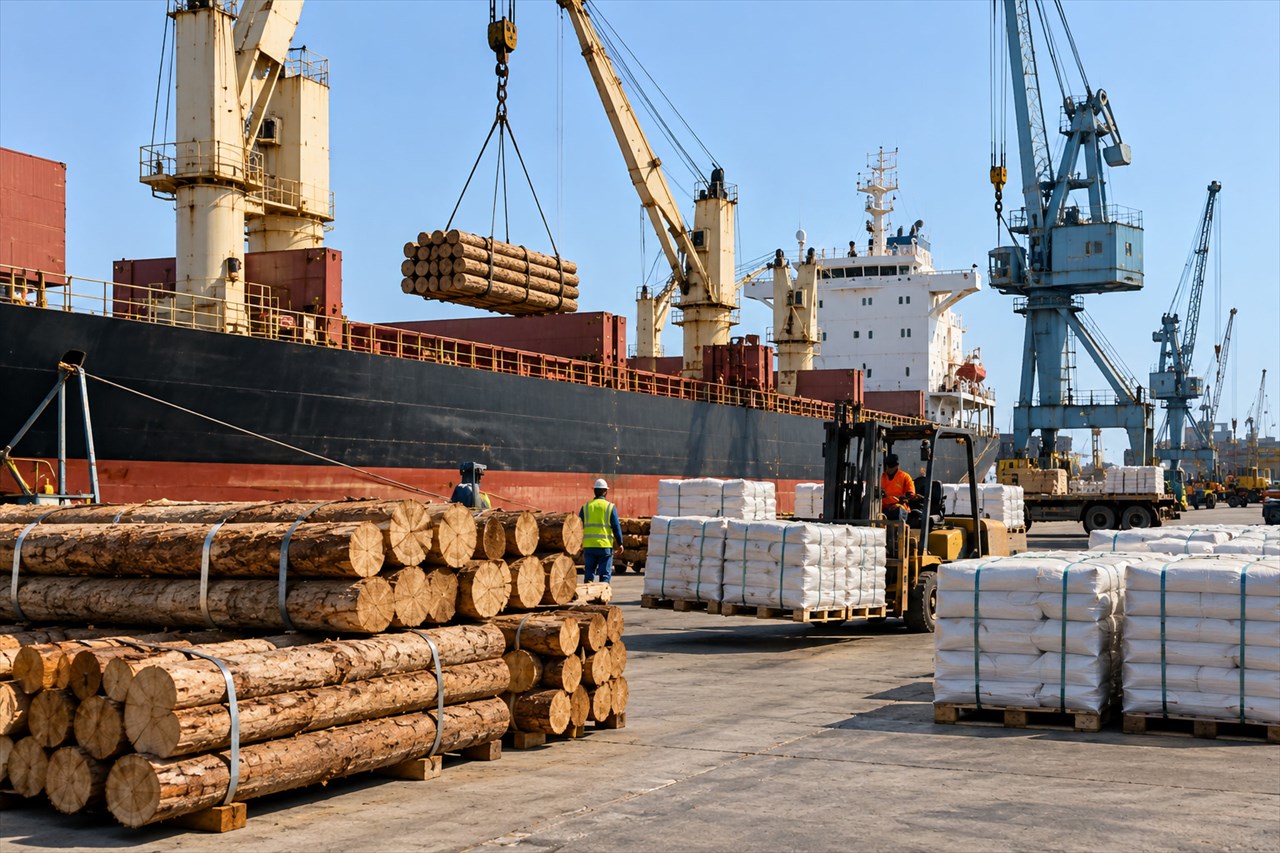
Oil’s dominance in exports underscores its strategic importance to the Congolese economy and to investors. However, other export sectors also contributed positively to the improvement in foreign trade. The timber sector posted a 32.5% increase in value, with raw timber exports reaching 11.0 billion CFA francs. Exports of cement and clinker also rose by 12.9% to 10.2 billion CFA francs, thereby diversifying sources of revenue.
Conversely, the moderate rise in imports, limited to 5.9%, directly contributed to the widening of the trade surplus. Capital goods recorded a 14.9% increase, reaching 200.2 billion CFA francs, driven in particular by a 41.7% rise in purchases of transportation equipment. Imports of food and beverages remained relatively stable at 149.3 billion CFA francs, although purchases of meat and grains increased.
Key Takeaways
Think someone else should see this?









To invest in this opportunity and other opportunities across Africa
Download the daba finance app on your mobile through


Take action.

Download app

Partner with us
Unlock exciting business opportunities and growth potential.
Join Daba
Become a part of our vibrant community and enjoy exclusive benefits.
Contact us
Reach out to us for inquiries, support, or collaboration.