


CONIX.AI Wins Aramco LAB7 Backing for Building Compliance Platform
TLDR
- CONIX.AI partnered with LAB7 to integrate B2Code for automated building-code checks, enhancing regulatory compliance for architects and developers.
- Founded in 2021, CONIX.AI uses AI to create building designs, ensure compliance, and streamline permit approval processes.
- The LAB7 partnership aims to streamline construction approvals in Saudi Arabia by linking design, code validation, and permitting processes, potentially reducing delays and costs.
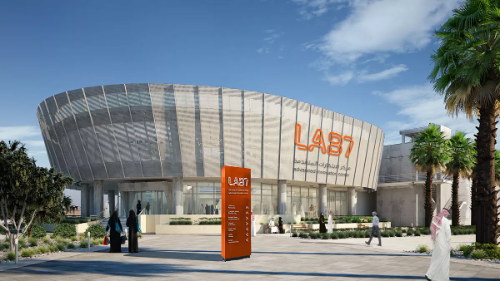
CONIX.AI received backing from LAB7, Saudi Aramco’s venture-building arm, to add automated building-code checks to its architecture and permitting software.
The partnership will integrate LAB7’s B2Code engine into E-Comply, CONIX.AI’s regulatory compliance platform. The combined system will review floor plans against national building codes and local municipal rules, helping architects, developers and government agencies identify problems before permit applications are submitted.
Founded in 2021 by Omar Geneidy, Yusuf Fahmy and Hani Farrag, CONIX.AI develops software that uses artificial intelligence to generate building designs, check regulatory compliance and manage permit approval workflows. Its design platform can produce architectural plans based on engineering and regulatory requirements within minutes.
B2Code was developed by LAB7 to automate compliance reporting and validate building plans against regulations. The technology received an Edison Award for Best New Product. Its integration with E-Comply is expected to reduce manual reviews, design revisions and delays during construction approvals.
CONIX.AI raised $1.3 million in 2022 in a round led by BIM Ventures. The company and LAB7 said their partnership will support Saudi Arabia’s drive to digitize construction and urban planning by linking design, code validation and permitting in one workflow.
Key Takeaways
The LAB7 partnership gives CONIX.AI access to technology and industry support that could help it sell to engineering firms, property developers and public agencies in Saudi Arabia. Building permits often involve manual document checks, separate government systems and repeated revisions, which can delay projects and raise costs. By checking designs against regulations before submission, E-Comply could shorten approval times and reduce the workload for regulators. The opportunity is tied to Saudi Arabia’s construction pipeline, which includes housing, tourism, industrial and urban projects under its economic diversification plans. For CONIX.AI, government and enterprise contracts may offer a larger market than selling design tools to individual architects. The main challenge will be accuracy. Building rules differ by city and project type, and errors in automated reviews could create legal, safety and financial risks. The platform will also need to work with existing design software and government systems. If the integration works, CONIX.AI could become part of the infrastructure used to plan and approve projects rather than another standalone architecture tool.
Think someone else should see this?









To invest in this opportunity and other opportunities across Africa
Download the daba finance app on your mobile through

Take action.

Download app

Partner with us
Unlock exciting business opportunities and growth potential.
Join Daba
Become a part of our vibrant community and enjoy exclusive benefits.
Contact us
Reach out to us for inquiries, support, or collaboration.