


Dangote Offers East Africa 30% Stake in Kenya Refinery
TLDR
- Aliko Dangote offers East African governments a 30% stake in a planned refinery in Kenya to reduce fuel imports and enhance regional cooperation.
- Kenya, Ethiopia, and Rwanda express interest in the project with Kenya considering a 10% stake worth $500 million, potentially reaching $1.5 billion in total regional investment.
- The refinery in Lamu, Kenya, expects to process 700,000 barrels of crude per day, with an estimated cost of $20 billion and construction starting in 2026.
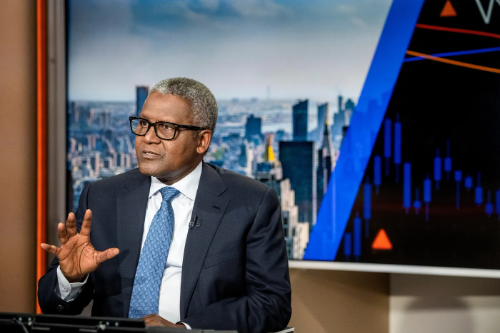
Aliko Dangote is offering East African governments a combined 30% stake in a planned refinery in Kenya as he seeks regional backing for a project designed to cut dependence on imported fuel. Kenya, Ethiopia and Rwanda have shown interest, according to David Ndii, an economic adviser to Kenyan President William Ruto.
Kenya is considering taking a 10% stake for about $500 million, while total investment from regional governments could reach about $1.5 billion. The refinery will be built in Lamu on Kenya’s coast and is planned to process 700,000 barrels of crude a day. The plant itself is expected to cost about $16 billion, with petrochemical and port infrastructure potentially taking total investment toward $20 billion.
Dangote plans to finance about 70% of the refinery cost with debt and 30% with equity. Construction is expected to begin later in 2026 and could take about 4 years. Work on surveys, engineering and design has started. Lamu was chosen after Dangote considered sites in Kenya and Tanzania.
The refinery is intended to supply Kenya and markets including Ethiopia, Uganda, Rwanda, Tanzania, South Sudan, Burundi and the Democratic Republic of Congo. Most countries in the region import much of their petrol, diesel and jet fuel, leaving them exposed to shipping costs, currency moves and disruptions in global supply.
The project would be Dangote’s second refinery after his plant near Lagos, which has capacity of about 650,000 barrels a day. Dangote Industries is also preparing an IPO of the Nigerian refinery and has said cash, debt and capital-market funding will support its expansion plans across Africa.
Key Takeaways
The offer to East African governments is part of the financing structure rather than a plan for governments to fund 30% of the $16 billion project cost themselves. Dangote has said about 70% of construction costs will come from debt and 30% from equity, leaving roughly $4.8 billion to be funded by shareholders. A 10% ownership stake would therefore require close to $500 million, while a combined 30% regional holding would require about $1.5 billion. Bringing Kenya, Ethiopia and Rwanda into the shareholder base could also give the refinery customers with an interest in its success. That matters because a 700,000-barrel-a-day plant needs demand across several countries to operate at scale. Lamu also connects the refinery with a port and the LAPSSET corridor, which was designed to link Kenya with Ethiopia and South Sudan. The project still carries execution risks. Dangote must raise debt, complete construction, secure crude supplies and compete with imported fuel from global refiners. Governments will also have to decide whether putting public capital into a refinery offers better returns than other infrastructure needs. If built, the plant could change East Africa’s fuel trade by replacing part of the region’s imported products with fuel refined on the continent.
Think someone else should see this?









To invest in this opportunity and other opportunities across Africa
Download the daba finance app on your mobile through

Take action.

Download app

Partner with us
Unlock exciting business opportunities and growth potential.
Join Daba
Become a part of our vibrant community and enjoy exclusive benefits.
Contact us
Reach out to us for inquiries, support, or collaboration.