


Dangote Refinery Extends IPO Subscription Window to Oct 27
TLDR
- Dangote Refinery extends IPO closing to October 27, targeting $1.6 billion in Africa's largest share sale.
- Company seeks to attract 10 million investors with a minimum subscription of 10 shares at ₦525 each.
- Investor demand will test refinery's sustainability post-listing based on crude costs, product prices, and more.
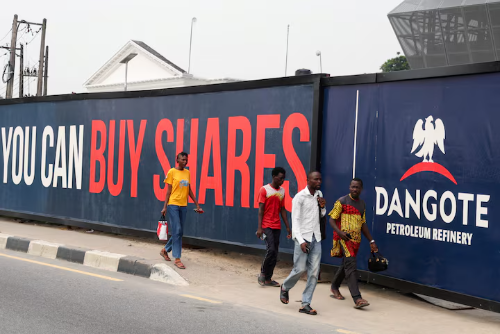
Dangote Petroleum Refinery has extended the closing date of its initial public offering to October 27 as it seeks to give investors in more African countries time to participate. The offer opened on September 14 and had been due to close on October 13. Nigeria’s Securities and Exchange Commission approved the extension. The company is offering 4.1 billion new shares at ₦525 each, seeking to raise about ₦2.15 trillion, or around $1.6 billion, in what is expected to be Africa’s largest share sale.
The refinery is targeting a broad retail base in Nigeria and across the continent, with management aiming to attract as many as 10 million investors. The minimum subscription is 10 shares, equal to ₦5,250 before charges. The offer has also exposed the difficulty of selling securities across African markets, where investors in other countries often need local regulatory approval or approved brokers before they can participate. Uganda’s capital-markets regulator approved access for domestic investors earlier this month.
The IPO values Dangote Refinery at about ₦65.2 trillion after the offer at the subscription price. The company operates a 700,000-barrel-a-day refinery and is raising capital to support expansion. It reported about ₦19.2 trillion in revenue and ₦2.5 trillion in profit after tax for the first half of 2026, compared with a loss in 2025. The refinery reached higher production levels during the period, helping improve earnings as operations moved closer to full capacity.
Investor demand will also test whether the refinery can sustain those earnings. Refining profits depend on crude costs, product prices, plant utilisation, foreign exchange rates and financing expenses. The ₦525 offer price is only the price used for the IPO and does not determine where the shares will trade once listed. At the base offer size, the new shares would represent about 3.3% of the enlarged share capital, leaving a large part of the company in existing shareholders’ hands.
The transaction is being watched as a test for Nigeria’s capital market as well as for Dangote. Retail participation in Nigerian equities remains low, while regulators and the NGX have been trying to bring more large businesses to the public market. The extension gives the company more time to broaden the shareholder base, but the longer-term test will come after listing, when investors begin pricing the refinery based on earnings, cash flow, debt, expansion plans and trading liquidity.
Foreign investor? No BVN. No Nigerian bank account.
You can invest in the Dangote Refinery IPO through Daba. Click here to submit your application→ dabafinance.com/register
Key Takeaways
The extension matters because the Dangote Refinery IPO is trying to do more than raise ₦2.15 trillion. It is also attempting to create a shareholder base across several African countries, and that has exposed how difficult cross-border investing remains on the continent. The offer is registered in Nigeria, but investors elsewhere may need separate regulatory approvals, approved local intermediaries or access to brokers authorised to handle the transaction. That has slowed participation even as interest in the deal has been high. The extra time to October 27 gives regulators, brokers and investors more room to complete those steps. The structure of the offer is also important. Only about 3.3% of the company’s enlarged shares are being sold in the base IPO, which means a company with an implied value of roughly ₦65.2 trillion may begin trading with a small free float relative to its total size. That can support scarcity in the market, but it can also affect liquidity and price swings after listing. Investors also need to separate the size of the refinery from the valuation of its shares. The company reported about ₦2.5 trillion in first-half profit, but refining margins can change as crude prices, product prices and operating conditions move. Using one strong half-year as a permanent earnings level would therefore give an incomplete picture. The IPO’s success will depend not only on whether the shares are fully subscribed, but on whether the refinery can sustain cash generation, finance expansion and maintain enough trading activity for a large base of retail investors after the listing.
Think someone else should see this?









To invest in this opportunity and other opportunities across Africa
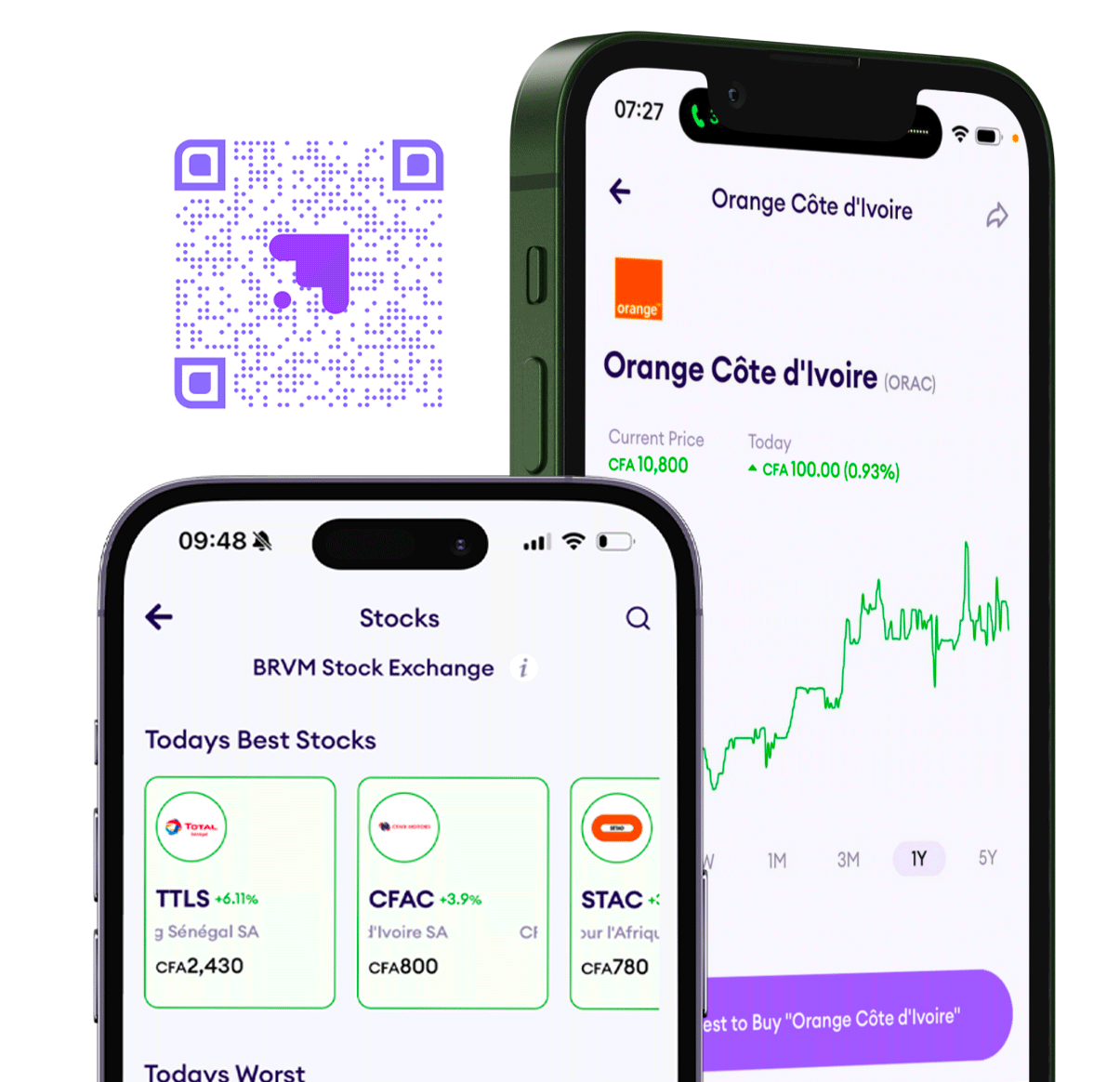
Download the daba finance app on your mobile through

Take action.

Download app

Partner with us
Unlock exciting business opportunities and growth potential.
Join Daba
Become a part of our vibrant community and enjoy exclusive benefits.
Contact us
Reach out to us for inquiries, support, or collaboration.