


Djibouti Wins Key Arbitration Case as Saudi Arabia Gains Port Foothold
TLDR
- Djibouti wins legal battle against Dubai Ports World, ending a 7-year dispute and strengthening its investment reputation.
- Djibouti opens ports to new partners, with Saudi operator Red Sea Gateway Terminal set to invest $180 million in the port of Tadjourah.
- Djibouti's partnership with Saudi Arabia signals a strategic shift away from Emirati dominance and towards diversified alliances in the region.
Djibouti has secured a rare legal victory in its long-running dispute with Dubai Ports World, easing years of tension with the United Arab Emirates while reshaping port competition in the Horn of Africa.
On September 29, 2025, the London Court of International Arbitration ruled in favor of the Djiboutian state, rejecting a claim by Dubai Ports World seeking about $1 billion in damages. The case stemmed from Djibouti’s 2018 decision to terminate DP World’s contract to build and operate the Doraleh Container Terminal, previously managed with Port of Djibouti SA.
The ruling ends seven years of litigation and removes a source of uncertainty that had weighed on Djibouti’s investment reputation. US concerns that the terminal could fall under Chinese control had also faded, after US Africa Command said in 2019 the port was better managed locally.
DP World has since tried to weaken Djibouti’s dominance by backing alternative ports around the Bab el-Mandeb Strait, including Berbera in Somaliland and Assab in Eritrea. Those efforts have yet to match Djibouti’s scale.
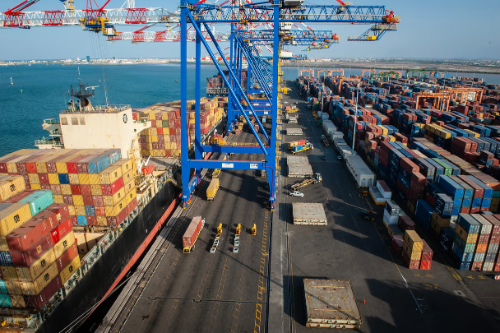
Djibouti is now opening its ports to new partners. Saudi operator Red Sea Gateway Terminal is set to invest $180 million in the port of Tadjourah under a 30-year concession starting in 2026.
Daba's newsletter is now on Substack. Sign up here to get the best of Africa's investment landscape
Key Takeaways
The arbitration ruling strengthens Djibouti’s hand as regional competition over Red Sea trade routes intensifies. By closing the DP World chapter, the country reduces legal risk at a time when ports are central to geopolitical and commercial rivalry in the Horn of Africa. Saudi Arabia is emerging as Djibouti’s most favored partner. Riyadh has backed port development and infrastructure, including financing for the new Hassan Gouled International Airport, and has built trust through decades of development funding. Djibouti’s alignment with Saudi Arabia during the 2017 Gulf crisis further tightened ties. The Tadjourah concession signals a shift away from Emirati dominance toward a more diversified partner base. For Djibouti, this reduces reliance on China and balances Gulf influence. For Saudi Arabia, it secures a strategic logistics foothold near one of the world’s busiest maritime chokepoints. DP World remains active in the region, but its ability to challenge Djibouti’s port monopoly has weakened. With Berbera constrained by infrastructure gaps and Ethiopia still dependent on Djibouti for most of its trade, Djibouti retains a clear advantage. The outcome highlights how legal rulings, port concessions, and Gulf rivalries are now tightly linked in shaping control over Red Sea trade corridors.
Think someone else should see this?









To invest in this opportunity and other opportunities across Africa
Download the daba finance app on your mobile through


Take action.

Download app

Partner with us
Unlock exciting business opportunities and growth potential.
Join Daba
Become a part of our vibrant community and enjoy exclusive benefits.
Contact us
Reach out to us for inquiries, support, or collaboration.