


DRC Inks $300M Electricity Interconnection Project With Zambia
TLDR
- The DRC and Zambia are partnering on a $300 million power interconnection project.
- The 200-km line will import up to 550 MW to power the Congolese Copperbelt.
- The project aims to address the energy shortage and boost mining and industrial activity.
A framework agreement has been signed to finance, build, and operate a major power transmission line between Zambia and the Democratic Republic of the Congo (DRC). This project aims to strengthen the electricity supply to the DRC’s main mining region. The parties involved are the DRC Strategic Investment Fund (FIS-DRC), Enterprise Power DRC (EnPower), Trafigura, and Gridworks Development Partners. The initiative is part of an effort to rely more heavily on the generation capacity of neighboring Zambia.
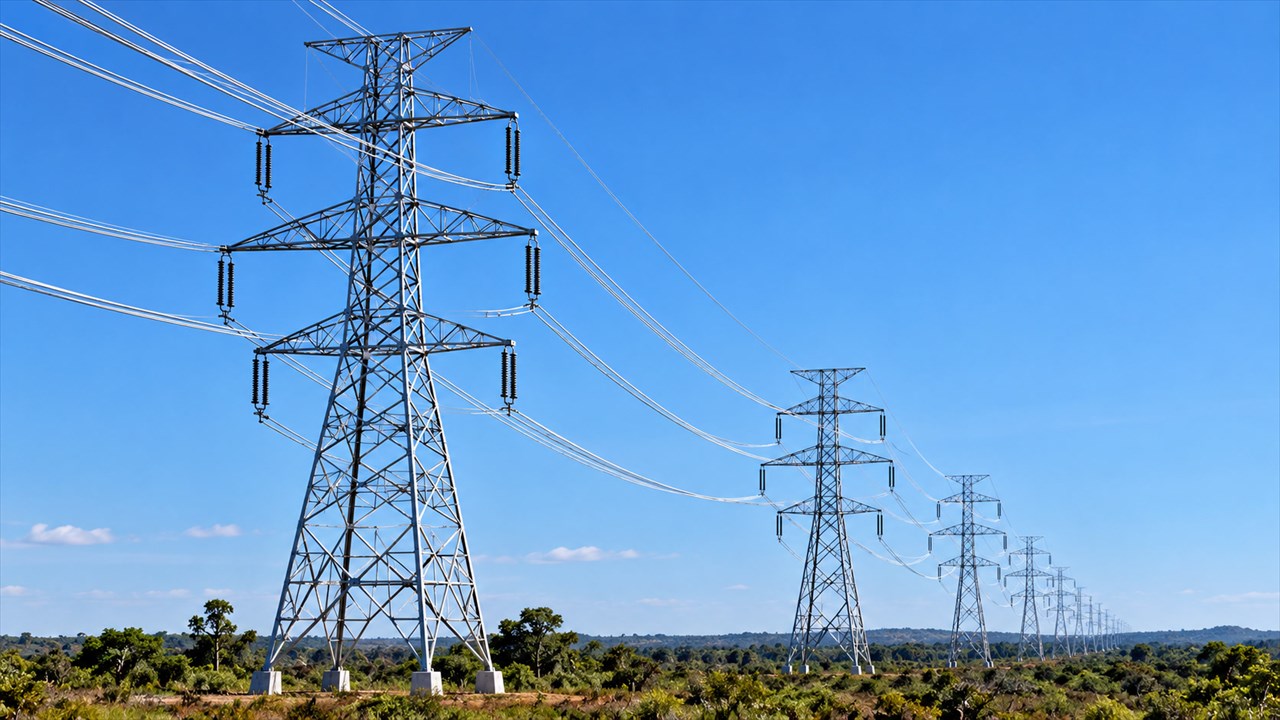
Known as the KKIP (Kalumbila-Kolwezi Interconnector Project), the initiative involves the construction of a 200-kilometer transmission line. This infrastructure will connect Kalumbila in Zambia to Kolwezi, located in the southeastern DRC. Its main objective is to enable the DRC to import up to 550 MW of electricity from Zambia. The imported energy will provide a more reliable power supply to mining and industrial operations in the Congolese Copperbelt.
The estimated investment for the KKIP amounts to $300 million, or approximately 168 billion CFA francs. The future line will have an initial transmission capacity of 700 MW, with the potential to expand to over 1 GW in the long term. This capacity is crucial, as the DRC faces a structural energy deficit that currently exceeds 1 GW. The Copperbelt is a key region for the production of copper and cobalt, strategic minerals for the country’s exports.
This project is essential for alleviating the energy constraints weighing on the Congolese mining industry. Increased electricity availability could enable the reactivation of mining and refining projects currently on hold. It would also promote higher production and refining volumes in the Copperbelt. Emile Osumba, CEO of FIS-RDC, emphasized that the project “will unlock industrial growth, skilled jobs, and tax revenue for the DRC.”
The KKIP’s financing structure combines debt and equity. Trafigura, an international commodities trader, will arrange a significant portion of the debt financing. FIS-RDC, EnPower, and Gridworks will take equity stakes, with Gridworks serving as the lead investor and majority shareholder. Discussions are also underway with Zambian entities regarding a potential equity investment, thereby strengthening cross-border cooperation.
Key Takeaways
Think someone else should see this?









To invest in this opportunity and other opportunities across Africa
Download the daba finance app on your mobile through

Take action.

Download app

Partner with us
Unlock exciting business opportunities and growth potential.
Join Daba
Become a part of our vibrant community and enjoy exclusive benefits.
Contact us
Reach out to us for inquiries, support, or collaboration.