


DR Congo Raises $1.25B in First-Ever Eurobond Sale
TLDR
- Democratic Republic of Congo raised $1.25 billion in its debut global bond sale, offering 6-year bonds at 8.75% and 11-year notes at 9.5%.
- Strong demand exceeding $2 billion for the two tranches indicates investor interest in Congo's resources during market stability.
- The Eurobond issuance aims to diversify funding sources for infrastructure, energy, and social projects, reflecting growing global interest in Congo's reserves of copper and cobalt.
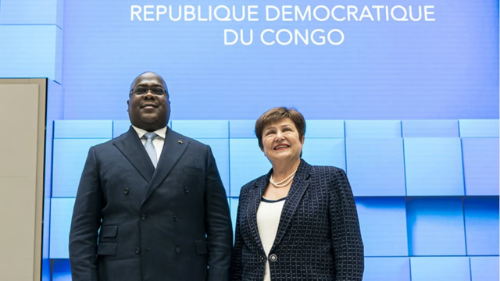
Democratic Republic of Congo raised $1.25 billion in its first international bond sale, taking advantage of improved global market conditions following a pause in geopolitical tensions. The country issued $600 million of six-year bonds at a yield of 8.75% and $650 million of 11-year notes at 9.5%. Demand was strong, with orders exceeding $2 billion and $2.8 billion for the two tranches.
Yields on the 2032 bonds declined in early trading, indicating investor demand. The transaction forms part of a broader $1.5 billion Eurobond program aimed at diversifying funding sources.
Finance Minister Doudou Fwamba Likunde Libotayi said proceeds will support infrastructure, energy, and social projects as the country expands access to international capital markets.
The sale comes as global interest grows in Congo’s reserves of copper and cobalt, key inputs for the energy transition, and as investors seek exposure to resource-backed economies.
Key Takeaways
The DRC’s Eurobond debut highlights renewed investor appetite for African sovereign debt when market conditions stabilise. Strong demand for the issuance shows that investors are willing to price in higher risk for access to countries with strategic resources, particularly those linked to the global energy transition. The ability to tighten yields from initial guidance reflects confidence in the country’s growth prospects and reform efforts. However, borrowing costs remain high compared to developed markets, reflecting structural risks. The DRC remains heavily dependent on mining exports, exposing it to commodity price volatility, while ongoing instability in its eastern regions continues to weigh on investor perception. The country also relies significantly on concessional financing, which still accounts for most of its external debt. For policymakers, the challenge will be to use the proceeds effectively to support growth while maintaining debt sustainability. For investors, the deal signals that frontier markets can access capital during favorable windows, but timing and risk pricing remain critical factors in allocation decisions.
Think someone else should see this?









To invest in this opportunity and other opportunities across Africa
Download the daba finance app on your mobile through

Take action.

Download app

Partner with us
Unlock exciting business opportunities and growth potential.
Join Daba
Become a part of our vibrant community and enjoy exclusive benefits.
Contact us
Reach out to us for inquiries, support, or collaboration.