


BII Commits $25M to Rawbank to Expand SME Lending in DRC
TLDR
- British International Investment commits $25 million loan to Rawbank in the DRC to expand lending to SMEs and non-mining companies.
- Investment part of broader $265 million financing package to support 1,500 additional SMEs in the country.
- Initiative aims to increase financial inclusion and private sector growth in the DRC, addressing limited access to long-term loans outside the mining sector.
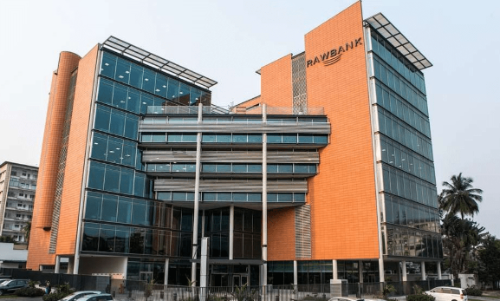
British International Investment committed a $25 million senior loan to Rawbank to expand lending to small and medium-sized enterprises and non-mining companies in the Democratic Republic of Congo.
Rawbank is the largest commercial bank in the country. The financing will increase its ability to provide credit to local businesses that often lack access to long-term funding.
The investment is part of a broader financing package totaling $265 million that also includes support from the International Finance Corporation, Proparco, the OPEC Fund and eco.business Fund.
The combined financing is expected to extend funding to at least 1,500 additional SMEs across the country.
Businesses in the DRC face limited access to finance, particularly outside the mining sector. SMEs and local corporates often struggle to secure long-term loans from banks due to liquidity constraints and market risks.
British International Investment said the loan aims to support private sector growth and expand financial inclusion.
Rawbank said the funding will help increase lending to Congolese companies, support production and create jobs.
The investment forms part of BII’s strategy to increase capital deployment in frontier markets where private investment remains limited.
The financing also received support from the Africa Resilience Investment Accelerator, an initiative designed to increase investment flows into African frontier economies.
Key Takeaways
Access to finance remains one of the largest constraints for businesses in the Democratic Republic of Congo. The country has one of the lowest levels of financial intermediation in Africa. Banking penetration remains limited and long-term lending is scarce, especially for businesses outside the mining sector. Development finance institutions play a large role in expanding credit in such markets. Institutions such as BII, the International Finance Corporation and Proparco often provide funding to local banks so they can lend to smaller companies. SMEs represent a large share of employment in many African economies but often lack collateral or financial records needed for traditional bank loans. By providing capital to local banks, development lenders attempt to bridge this financing gap and support economic diversification. In the DRC, expanding access to finance is also linked to efforts to reduce dependence on mining by supporting sectors such as agriculture, manufacturing and services. If successful, programs like this can increase private investment, strengthen local supply chains and support job creation in markets where commercial financing remains limited.
Think someone else should see this?









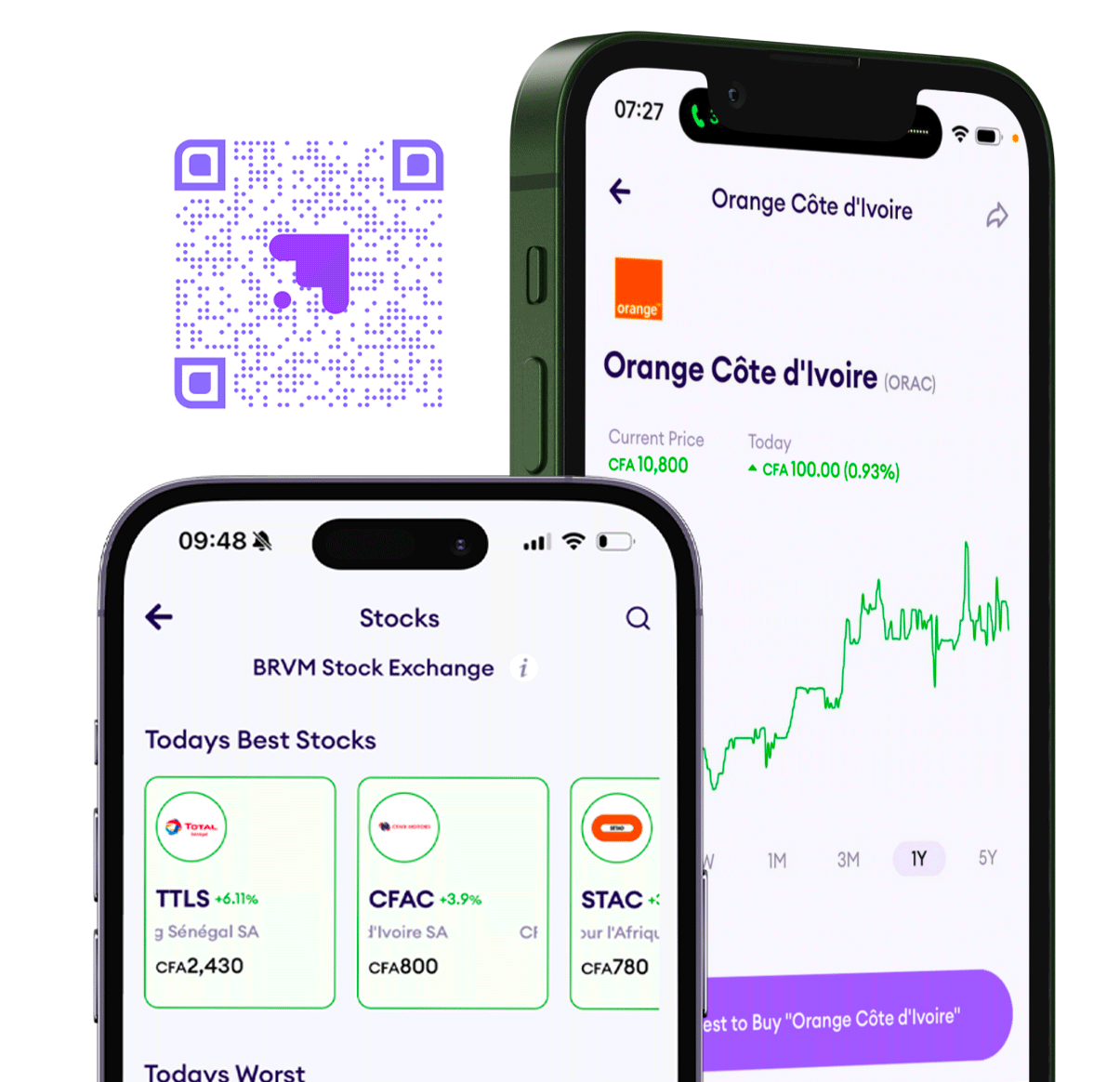
To invest in this opportunity and other opportunities across Africa
Download the daba finance app on your mobile through

Take action.

Download app

Partner with us
Unlock exciting business opportunities and growth potential.
Join Daba
Become a part of our vibrant community and enjoy exclusive benefits.
Contact us
Reach out to us for inquiries, support, or collaboration.