


Fitch Ratings Upgrades Ecobank Group's Outlook to Positive
TLDR
- Fitch Ratings upgrades Ecobank's outlook to Positive from Stable, citing improved operating environment in key markets of Ghana, Côte d’Ivoire, and Nigeria.
- Ecobank Nigeria Limited faces regulatory capital breaches but financial and reputational risks are contained with central provisions in place.
- Ecobank's geographic diversification and strong non-interest income position it well for sustained profitability and potential rating upgrade.
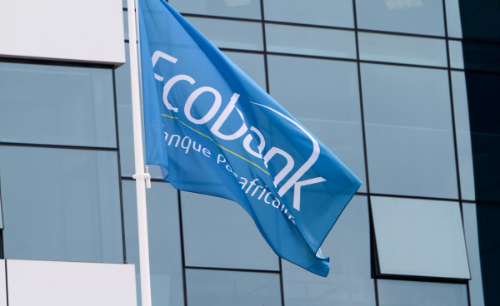
Fitch Ratings has revised the Outlook on Ecobank Transnational Incorporated (BRVM: ETIT) to Positive from Stable and affirmed its Long-Term Issuer Default Rating at B-.
The agency cited an improving operating environment in the group’s main markets of Ghana, Côte d’Ivoire and Nigeria. Fitch also pointed to reduced foreign-exchange exposure, which is expected to limit translation losses and support profitability and capitalisation.
Ecobank Nigeria Limited remains in breach of regulatory capital requirements. However, Fitch said financial and reputational risks are contained. The group has built central provisions, and after amendments to funding covenants in 2025, the Nigerian subsidiary is no longer considered material to the holding company.
Ecobank operates in 32 sub-Saharan African countries with total assets of about $32 billion. Fitch highlighted the group’s geographic diversification and significant share of non-interest income.
Profitability improved in 2025 and capital ratios strengthened. The funding profile remains stable and debt maturities are viewed as manageable. Fitch expects impaired loans to rise, especially in Nigeria, but said existing provisions provide a buffer.
Key Takeaways
The Positive Outlook signals that a rating upgrade could follow if operating conditions continue to improve. Ghana and Côte d’Ivoire have shown macro stabilisation, while Nigeria’s foreign-exchange reforms have reduced currency distortions. Ecobank’s diversified footprint across West, Central, East and Southern Africa helps reduce reliance on any single market. Non-interest income, including trade finance and transaction banking, supports earnings resilience. However, the rating remains in the single-B category, reflecting exposure to sovereign risk and volatile macro conditions in several operating countries. Rising impaired loans in Nigeria remain a watch point. An upgrade would likely require sustained profitability, lower equity leverage and stable macro performance in key markets. Downside risks include renewed currency shocks, sovereign downgrades or capital pressure at major subsidiaries.
Think someone else should see this?









To invest in this opportunity and other opportunities across Africa
Download the daba finance app on your mobile through

Take action.

Download app

Partner with us
Unlock exciting business opportunities and growth potential.
Join Daba
Become a part of our vibrant community and enjoy exclusive benefits.
Contact us
Reach out to us for inquiries, support, or collaboration.