


Egypt Cuts Rates By 100 Basis Points as Inflation Slows to 10.1%
TLDR
- Central Bank of Egypt cuts key interest rates by 100 basis points on Feb 12, citing easing inflation pressures
- Overnight deposit rate lowered to 19.0% from 20.0%, while overnight lending rate reduced to 20.0% from 21.0%
- Required reserve ratio for commercial banks lowered to 16% from 18%, boosting liquidity
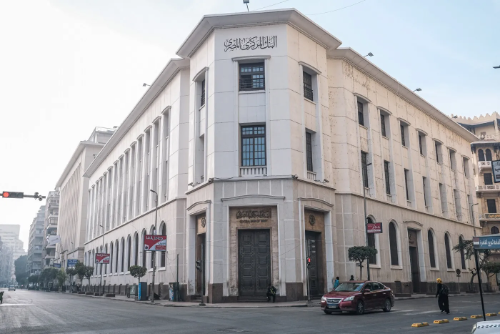
The Monetary Policy Committee of the Central Bank of Egypt cut key interest rates by 100 basis points on February 12, citing easing inflation pressures.
The overnight deposit rate was lowered to 19.0% from 20.0%, while the overnight lending rate was reduced to 20.0% from 21.0%. The main operation rate and the discount rate were both cut to 19.5%.
The central bank also reduced the required reserve ratio for commercial banks to 16% from 18%, freeing up additional liquidity in the banking system.
Egypt’s annual headline inflation fell to 10.1% in January 2026, down from 23.2% in January 2025. Core inflation eased to 11.2% from 11.8% in December.
The committee said the move reflects its assessment that inflation is moderating and that price pressures have declined since its previous meeting.
Egypt has faced high inflation in recent years following currency devaluations and global commodity price shocks. The latest data suggests that disinflation is gaining traction.
Key Takeaways
The rate cut marks a shift toward monetary easing after a prolonged tightening cycle aimed at stabilizing the currency and anchoring inflation expectations. Lower policy rates may reduce borrowing costs for businesses and households, though lending rates remain elevated in real terms. The reduction in reserve requirements signals support for liquidity and credit growth. Egypt remains under an IMF-supported reform program, with fiscal consolidation and exchange-rate flexibility central to policy. Inflation has slowed from peaks above 30% in 2023 as base effects, currency stability and improved supply conditions took hold. Further easing will depend on maintaining currency stability, managing external balances and sustaining the downward trend in core inflation. The central bank will likely monitor food prices, fuel adjustments and global commodity markets before deciding on additional cuts.
Think someone else should see this?









To invest in this opportunity and other opportunities across Africa
Download the daba finance app on your mobile through

Take action.

Download app

Partner with us
Unlock exciting business opportunities and growth potential.
Join Daba
Become a part of our vibrant community and enjoy exclusive benefits.
Contact us
Reach out to us for inquiries, support, or collaboration.