


Egypt Inflation Jumps to 13.5% on Food, Transport Costs
TLDR
- Egypt’s annual inflation rate increased to 13.5% in March due to higher food and transport costs, with the consumer price index reaching 284.4 points.
- Food and beverage prices rose by 5.2%, with vegetable prices up by 21.8%, while transport costs increased by 8.0% supported by higher private transport and service costs.
- Inflation spike attributed to subsidy reforms and cost pass-through in essential sectors, with fuel price hikes impacting transport and housing costs, signaling a shift towards more structural inflation drivers requiring cautious policy management.
Egypt’s annual inflation rate rose to 13.5% in March from 11.5% in February, driven by higher food and transport costs, according to CAPMAS.
Consumer prices increased 3.3% month-on-month, with the consumer price index reaching 284.4 points. The rise reflects broad-based price increases across key sectors.
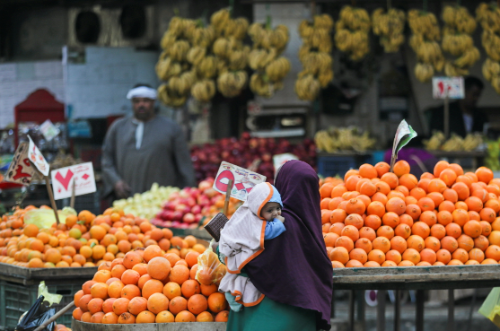
Food and beverage prices climbed 5.2% during the month, led by a 21.8% increase in vegetable prices. Meat and poultry rose 5.9%, while fruit prices increased 2.0%.
Transport costs rose 8.0%, supported by higher private transport and service costs. Housing, water, electricity, gas, and fuel prices increased 3.6%, following a fuel price adjustment of up to 17%.
Other categories also recorded gains, including restaurants and hotels at 2.1% and clothing at 1.7%. Healthcare prices declined 0.6%, partially offsetting the overall increase.
Key Takeaways
Egypt’s inflation spike reflects the impact of subsidy reforms and cost pass-through in essential sectors. Fuel price increases are feeding into transport and housing costs, which in turn affect broader price levels across the economy. While food inflation remains moderate on an annual basis at 6.2%, sharp increases in specific items such as vegetables highlight volatility in supply and pricing. The rise in transport and utilities inflation, at 29.3% and 28.3% respectively year-on-year, shows that core cost pressures are concentrated in services tied to energy and infrastructure. This suggests inflation is becoming more structural rather than purely driven by temporary factors. For policymakers, managing inflation will require balancing subsidy reforms with social stability, as higher costs directly impact households. For investors, rising inflation could lead to tighter monetary policy or delayed rate cuts, affecting borrowing costs and economic growth. The data also underscores how energy pricing reforms continue to shape inflation dynamics in large emerging markets like Egypt.
Think someone else should see this?









To invest in this opportunity and other opportunities across Africa
Download the daba finance app on your mobile through

Take action.

Download app

Partner with us
Unlock exciting business opportunities and growth potential.
Join Daba
Become a part of our vibrant community and enjoy exclusive benefits.
Contact us
Reach out to us for inquiries, support, or collaboration.