


Egypt's Talaat Moustafa Group Plans $27B City East Of Cairo
TLDR
- TMG Talaat Moustafa Group to build new $27 billion mixed-use city near Cairo in partnership with National Bank of Egypt
- The Spine project aims to create new urban environment with residential, commercial, and hospitality assets, generating significant tax revenue and job opportunities
- Egypt’s focus on large-scale real estate projects signifies economic growth strategy through infrastructure development and investment attraction
Talaat Moustafa Group plans to build a new mixed-use city valued at EGP1.4 trillion, or about $27 billion, on the outskirts of Cairo. The project, called “The Spine,” will be developed in partnership with National Bank of Egypt.
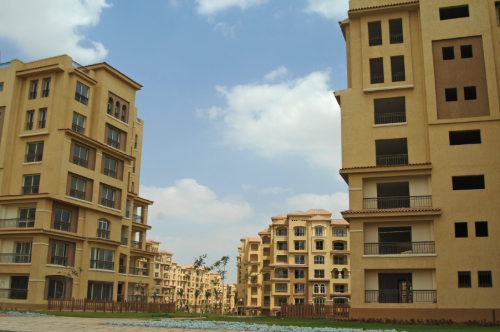
The development will span about 2.4 million square meters and include residential, commercial and hospitality assets. It will feature 165 towers alongside retail, entertainment and green public spaces, designed as a single integrated urban environment.
The project will be structured as a Special Investment Zone linked to the company’s existing Madinaty development. It will be financed through a vehicle with paid-up capital of about EGP69 billion, according to Chief Executive Officer Hisham Talaat Moustafa.
The company said the investment is equivalent to about 1% of Egypt’s GDP and is expected to generate EGP818 billion in tax revenue over time. The project is projected to create more than 55000 direct jobs and a larger number of indirect roles.
The announcement adds to a pipeline of large-scale real estate projects in Egypt, where developers have attracted capital from Gulf investors to build new urban areas and coastal developments.
Key Takeaways
The Spine project reflects Egypt’s reliance on large-scale real estate developments as a driver of economic growth. Over the past decade, the government and private developers have focused on building new cities to reduce pressure on Cairo and attract investment. These projects often combine housing, commercial activity and infrastructure in a single development, creating new economic zones. The scale of The Spine, at about $27 billion, places it among the largest private sector urban projects in the country and highlights the role of domestic developers alongside state-backed initiatives. Financing structures that involve local banks, such as the National Bank of Egypt, show how domestic capital is being mobilized to support long-term projects. The expected tax revenues and job creation figures point to the broader economic impact governments seek from these developments. However, the model also depends on sustained demand for real estate and access to financing, both of which can be affected by interest rates and macroeconomic conditions. For investors, these projects offer exposure to urban growth and population expansion, but they also carry execution and market risks tied to sales absorption and infrastructure delivery timelines.
Think someone else should see this?









To invest in this opportunity and other opportunities across Africa
Download the daba finance app on your mobile through

Take action.

Download app

Partner with us
Unlock exciting business opportunities and growth potential.
Join Daba
Become a part of our vibrant community and enjoy exclusive benefits.
Contact us
Reach out to us for inquiries, support, or collaboration.