


Equatorial Guinea Partners With Huawei to Upgrade Telecom Network
TLDR
- Equatorial Guinea partners with GETESA and Huawei to modernize telecommunications network for improved internet and mobile services
- 6-month network optimization program to increase capacity, data speeds, and reduce service interruptions
- Huawei collaboration aims to enhance service quality for households and businesses in alignment with the country's broader digital infrastructure strategy
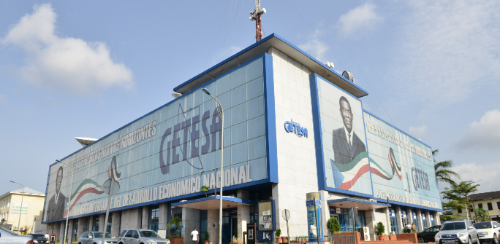
Equatorial Guinea has signed a partnership between state-owned telecom operator GETESA and Huawei to modernize the country's telecommunications network and improve internet and mobile services.
The agreement launches a 6-month network optimization program aimed at increasing capacity, improving data speeds and reducing service interruptions. The project follows an audit that found weaknesses in network equipment, bandwidth and infrastructure, leading to congestion and poor service quality.
Demand for digital services continues to grow in Equatorial Guinea. By the end of 2025, the country had about 1.18 million internet users, representing an internet penetration rate of 60.4% of the population. The government said the Huawei partnership is intended to improve service quality for households and businesses.
The modernization plan is also linked to the country's wider digital infrastructure strategy. State electricity company SEGESA owns a national fiber-optic network spanning about 2,000 kilometers. The government wants to use that network to expand broadband coverage beyond its current role in managing the electricity system.
Authorities have also proposed creating a dedicated company to manage and commercialize the fiber network. Huawei has been identified as a potential technical partner to help develop the project and turn the infrastructure into a commercial asset supporting nationwide connectivity.
Key Takeaways
Equatorial Guinea's agreement with Huawei is about more than fixing network problems. It is part of a broader effort to build the country's digital infrastructure using existing state assets. The 2,000-kilometer fiber-optic network owned by SEGESA gives the government a backbone that could support broadband expansion without building an entirely new network. If managed well, the project could improve internet access, lower connectivity costs and support businesses, financial services, education and public administration. Better telecom infrastructure is also important for attracting investment, as reliable digital networks have become a basic requirement for many industries. The main challenge will be execution. Upgrading network equipment alone will not solve service issues if commercial management, maintenance and investment remain weak. The proposal to create a separate company to manage the fiber network suggests the government wants to separate infrastructure ownership from commercial operations, a model used in several countries to improve efficiency. For Huawei, the agreement strengthens its role in African digital infrastructure. For Equatorial Guinea, the success of the project will depend on whether faster networks translate into wider broadband access, stronger private-sector activity and broader digital adoption across the country.
Think someone else should see this?









To invest in this opportunity and other opportunities across Africa
Download the daba finance app on your mobile through

Take action.

Download app

Partner with us
Unlock exciting business opportunities and growth potential.
Join Daba
Become a part of our vibrant community and enjoy exclusive benefits.
Contact us
Reach out to us for inquiries, support, or collaboration.