


Ethiopia Becomes Africa's Fifth-Largest Economy After Rebasing GDP
TLDR
- Ethiopia has become Africa's fifth-largest economy after revising its gross domestic product figures to account for sectors including digital finance, services and manufacturing
- he country's economy was valued at $210.7 billion in the fiscal year ended July 2026, Finance Minister Fitsum Assefa announced on November 4
- The revision places Ethiopia behind South Africa, Egypt, Nigeria and Algeria, and ahead of Morocco and Kenya, based on available GDP estimates
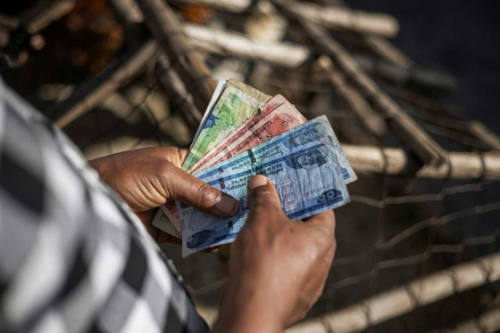
Ethiopia has become Africa's fifth-largest economy after revising its gross domestic product figures to account for sectors including digital finance, services and manufacturing. The country's economy was valued at $210.7 billion in the fiscal year ended July 2026, Finance Minister Fitsum Assefa announced on November 4. The revision places Ethiopia behind South Africa, Egypt, Nigeria and Algeria, and ahead of Morocco and Kenya, based on available GDP estimates. The country previously ranked outside Africa's 5 largest economies.
The government updated the base year used to calculate GDP from 2015-16 to 2024-25, increasing the estimated size of the economy in the new base year by 59.2% to $201.4 billion from approximately $126.4 billion. In local currency, GDP for 2024-25 was revised to 24.03 trillion birr from 15.09 trillion birr. The revised figures put output at 31.86 trillion birr in 2025-26. Officials said the previous calculations no longer reflected changes in the country's economic structure, including growth in digital services, financial technology and other activities.
The revision incorporates information from an agricultural census, household surveys and data from state-owned enterprises and nonprofit institutions. Services now account for almost 36% of Ethiopia's GDP, making them the largest contributor to economic output. Agriculture represents approximately 32%, while industry accounts for 30%. The services sector includes transport, telecommunications, banking and aviation, with Ethiopian Airlines contributing to economic activity through passenger and cargo operations.
The higher GDP estimate could improve Ethiopia's reported debt indicators as the government continues restructuring its external obligations under the G20 Common Framework. A larger economy reduces debt as a percentage of GDP without changing the amount owed. Oxford Economics said the revision could improve headline debt sustainability measures, although debt repayments, foreign currency requirements and interest costs remain unchanged. The new figures could also affect calculations used by lenders, investors and international financial institutions to assess the country's finances.
Ethiopia, Africa's second-most populous country, expects economic growth of 10.2% in the fiscal year ending July 2027. The government has introduced reforms aimed at attracting foreign investment, including opening parts of the telecommunications and banking sectors to international companies. Authorities also moved to a market-based exchange rate in 2024 under an economic reform programme supported by the International Monetary Fund. The GDP revision provides a new benchmark for measuring economic performance, government revenue and debt, although the country's ranking will depend on future growth and exchange-rate movements.
Key Takeaways
Ethiopia's rise to become Africa's fifth-largest economy shows how changes in national accounting methods can affect economic rankings without creating new output. The government's decision to update its GDP base year from 2015-16 to 2024-25 increased the estimated size of the economy by 59.2%, reflecting activities that were missing or underrepresented in earlier calculations. The revision places Ethiopia's GDP at $210.7 billion for 2025-26, ahead of Morocco and Kenya under the reported comparison. However, the increase does not mean Ethiopia produced 59.2% more goods and services overnight. Instead, the revised figures provide a different measurement of activity already taking place in the economy. The change could have implications for government finances because GDP is used to calculate debt ratios, tax revenue ratios and fiscal deficits. A larger GDP figure lowers the reported debt-to-GDP ratio even when the amount of debt remains unchanged. This may improve some indicators used by creditors and investors, but it does not reduce interest payments or foreign currency obligations. The revision could also lower measured tax revenue as a percentage of GDP, highlighting the need to expand government revenue collection. Ethiopia's economy remains dependent on agriculture and services, which together account for approximately 68% of output. Reforms involving telecommunications, banking and foreign exchange markets could create opportunities for investors as the country opens sectors that previously faced restrictions. However, Ethiopia continues to face challenges involving debt restructuring, currency availability, inflation and infrastructure investment. For investors, the next indicators will be economic growth, foreign direct investment, government revenue, export earnings and progress in debt negotiations. The revised GDP figures improve the measurement of Ethiopia's economy, but sustained growth and stronger public finances will determine whether its higher ranking translates into improved economic conditions.
Think someone else should see this?








To invest in this opportunity and other opportunities across Africa
Download the daba finance app on your mobile through


Take action.

Download app

Partner with us
Unlock exciting business opportunities and growth potential.
Join Daba
Become a part of our vibrant community and enjoy exclusive benefits.
Contact us
Reach out to us for inquiries, support, or collaboration.