


BRVM-Listed Filtisac Shuts Spinning Unit as Profit Falls
TLDR
- Filtisac SA restructures jute operations due to profit decline and supply issues, closing spinning workshop and cutting jobs.
- Despite revenue growth in 2025, higher logistics costs and jute supply disruptions impact margins and cash flow negatively.
- Company faces challenges with cash flow, leading to job losses and market reaction with share price decline.
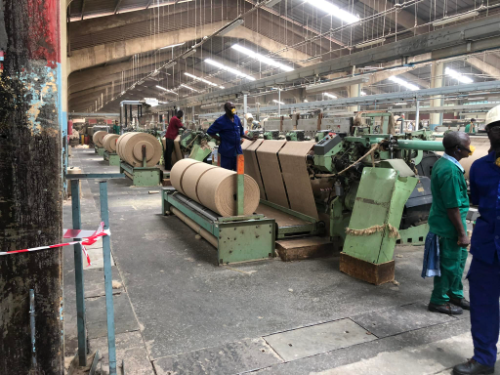
Filtisac SA will close its spinning workshop as the Ivorian packaging company restructures its jute business after a sharp drop in profit and cash flow.
The BRVM-listed company said the closure is part of a plan to rationalize its jute operations, which have been hit by higher production costs and supply problems. Instead of producing jute yarn in-house, Filtisac will buy ready-made spools.
A union said the decision will remove 58 jobs in the spinning workshop, with 26 additional layoffs elsewhere. Another 30 employees will be reassigned to other parts of the factory, which employs more than 700 people.
Filtisac reported net profit of CFA465.98 million in 2025, down 97.5% from CFA18.59 billion a year earlier. Revenue rose 5% to CFA32.11 billion, but higher logistics costs, rising raw material prices and jute supply disruptions from Bangladesh weighed on margins. The 2024 profit had also been lifted by exceptional items, including asset sales.
The company’s net cash position fell to a negative CFA11.52 billion at the end of 2025 from a positive CFA18.83 billion a year earlier, after a CFA28.22 billion dividend payout and higher working-capital needs. No dividend will be paid for 2025. Filtisac shares closed at CFA2,120 on June 23, down 4.5% this year and about 60% over 12 months.
Key Takeaways
SFiltisac’s restructuring shows how quickly industrial companies can come under pressure when cost shocks, supply disruption and weak cash flow hit at the same time. The company’s revenue still grew in 2025, but that was not enough to protect margins because logistics costs, jute prices and supply constraints all moved against it. The decision to stop producing jute yarn internally is a cost-control move, but it comes with job losses and shows how deep the pressure has become. The cash-flow deterioration is also important. A large dividend payment in 2024, combined with weaker working capital, left the company with less room to absorb shocks. The market has already reacted, with the share price down sharply from its 2025 high. The first quarter of 2026 showed stronger sales volumes, helped by cocoa-sector demand, but investors will need proof that restructuring can restore margins, stabilize cash and support earnings before confidence returns.
Companies in this story
Think someone else should see this?









To invest in this opportunity and other opportunities across Africa
Download the daba finance app on your mobile through


Take action.

Download app

Partner with us
Unlock exciting business opportunities and growth potential.
Join Daba
Become a part of our vibrant community and enjoy exclusive benefits.
Contact us
Reach out to us for inquiries, support, or collaboration.