


FTSE Russell Adds 31 Nigerian Stocks to Index Ahead of Frontier Return
TLDR
- Nigeria returns to Frontier Market status on September 21, following a 3-year absence, with 31 companies added to the FTSE Russell Frontier Index Series.
- 10 Nigerian companies classified as large caps include Aradel Holdings, Dangote Cement, Guaranty Trust Holding Company, MTN Nigeria, Nestlé Nigeria, and Zenith Bank.
- Market value of Nigeria's largest listed companies increased by ₦46.69 trillion in the first 8 months of 2026, driving the country's stock rally.
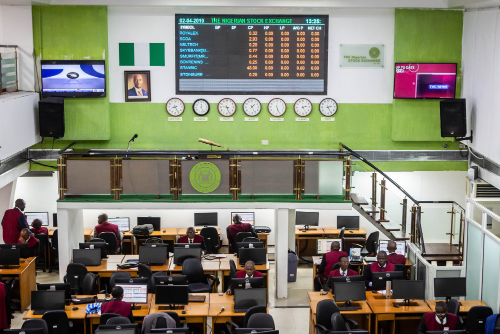
FTSE Russell has added 31 Nigerian companies to its Frontier Index Series as Nigeria prepares to return to Frontier Market status on September 21 after a 3-year absence. The move puts some of the country’s largest listed companies back into benchmarks used by global investors and index-linked funds.
The index provider classified 10 Nigerian companies as large caps: Aradel Holdings, Dangote Cement, First HoldCo, Guaranty Trust Holding Company, MTN Nigeria, Nestlé Nigeria, Nigerian Breweries, Presco, Stanbic IBTC Holdings and Zenith Bank.
Another 10 stocks, including Access Holdings, UBA, Fidelity Bank, Oando and Unilever Nigeria, were placed in the mid-cap category. 11 companies were classified as small caps.
Nigeria was removed from FTSE Russell’s Frontier classification in September 2023 after foreign investors faced delays converting naira proceeds into foreign currency and repatriating capital. The country was placed on a watch list for a return in October 2025 after foreign-exchange liquidity improved and repatriation delays eased.
FTSE Russell confirmed the reclassification in April 2026, but implementation faced another review after Nigeria moved from T+2 to T+1 settlement in June. International investors raised concerns that the shorter settlement period could create a need to fund trades before execution. Nigerian market authorities, custodians and FTSE Russell spent the following months assessing the process before the September return was confirmed.
The change comes during a rally in Nigerian stocks. The NGX All Share Index had gained about 58% in local currency and more than 70% in dollar terms by early September. Nigeria’s largest listed companies added about ₦46.69 trillion in market value during the first 8 months of 2026, increasing the weight of companies that will now enter FTSE’s Frontier benchmarks.
Key Takeaways
Nigeria’s return to the FTSE Frontier universe matters because index classification affects how international institutions find and allocate money to markets. Funds that track FTSE Frontier benchmarks will need exposure to Nigerian stocks once the changes take effect, while active managers that compare performance against the indices will have another reason to review Nigerian companies. That does not mean all 31 stocks will receive the same amount of capital. Flows depend on each company’s index weight, free float and liquidity, so large companies such as Dangote Cement, GTCO, MTN Nigeria and Zenith Bank are likely to matter more than smaller constituents. The bigger change is that Nigeria has reversed the problem that led to its removal in 2023. Foreign investors had struggled to convert naira and move proceeds out of the country, making the market difficult to invest in even when listed companies were attractive. Better FX liquidity and capital repatriation have allowed FTSE Russell to restore its classification. The T+1 review shows that access still depends on market infrastructure as well as returns. Nigeria now has to show that foreign investors can enter, settle trades, receive dividends and repatriate capital without the restrictions that pushed it out of the index 3 years ago.
Think someone else should see this?









To invest in this opportunity and other opportunities across Africa
Download the daba finance app on your mobile through

Take action.

Download app

Partner with us
Unlock exciting business opportunities and growth potential.
Join Daba
Become a part of our vibrant community and enjoy exclusive benefits.
Contact us
Reach out to us for inquiries, support, or collaboration.