


Fuel Shortages Threaten Companies' Cash Flow in Congo
TLDR
- Fuel shortages in the Congo are threatening the cash flow of 30.4% of businesses.
- More than 43% of companies report incurring additional costs that are reducing their profit margins.
- Companies are calling for the establishment of strategic stockpiles and improvements to logistics systems.
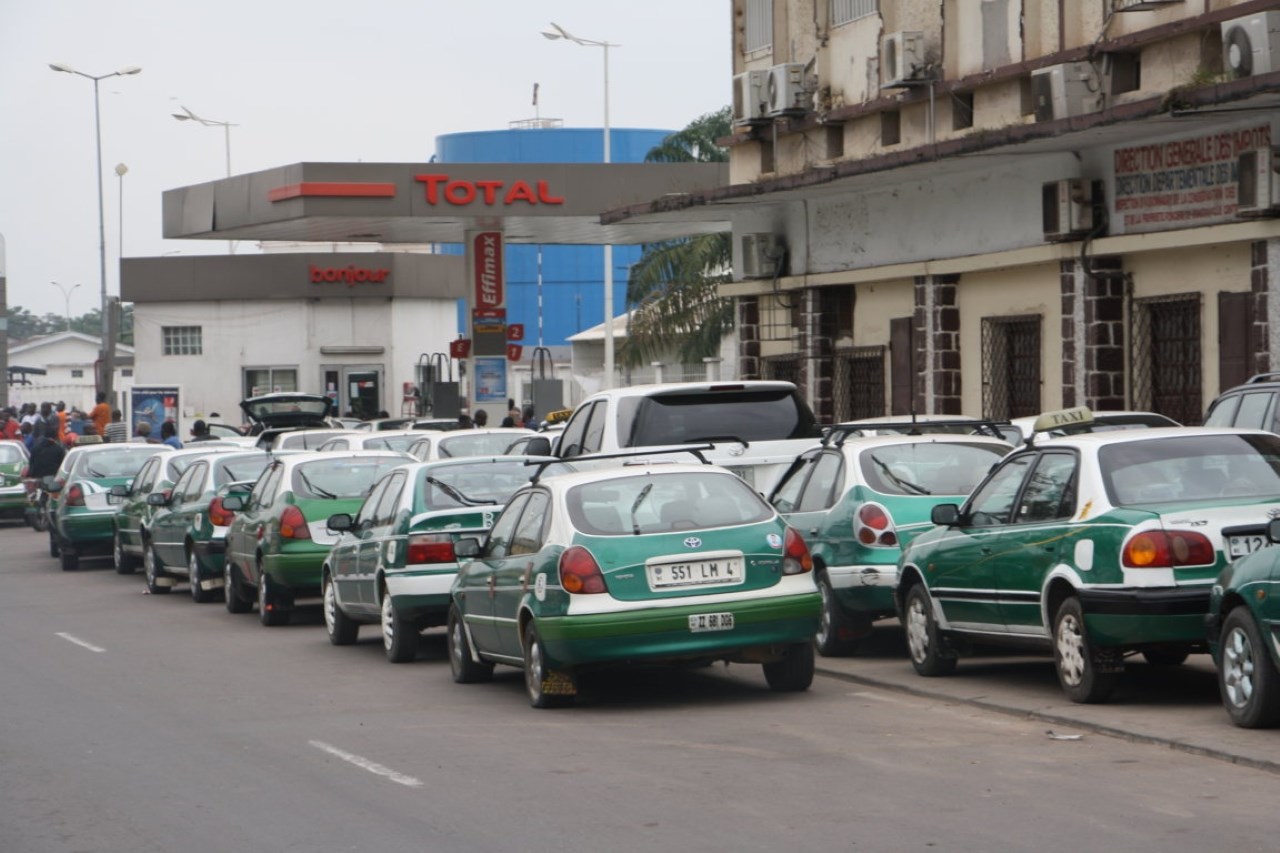
Fuel shortages in the Congo are threatening the financial stability of many businesses. A business survey conducted by the General Directorate of the Economy (DGE) in the second quarter of 2026 reveals that 30.4% of the companies surveyed believe these disruptions are jeopardizing their cash flow. At the same time, 43% of companies report incurring significant additional costs that directly reduce their profit margins. These challenges are affecting several key sectors of the Congolese economy, including manufacturing, trade, transportation, and services.
Diesel is the primary product affected by these supply constraints, with more than two-thirds of the executives surveyed citing it as the hardest fuel to obtain. Its availability is crucial because it is essential for both critical transportation operations and the operation of generators, which are used to compensate for recurring power outages. Companies based in Brazzaville and Pointe-Noire report persistent supply shortages, which are severely disrupting their day-to-day operations and supply chains.
The economic consequences of these shortages go beyond mere refueling difficulties. More than half of the companies surveyed report a sharp increase in their operating costs, mainly due to fuel purchases on the black market. Nearly 46% of companies report having experienced slowdowns or partial interruptions in their operations, affecting their productivity. Delivery delays and difficulties in transporting staff are also disrupting established relationships with customers and suppliers.
The current crisis is also fueling the growth of irregular business practices in the market. According to the DGE, 62.7% of the executives surveyed reported clandestine sales and instances of overbilling, which are driving up costs for businesses. Businesses attribute these difficulties to a lack of foresight in procurement, tensions in international markets, and internal logistical constraints. The transport of petroleum products between the cities of Pointe-Noire and Brazzaville is identified as a major problem by economic operators.
Faced with these persistent disruptions, companies are prioritizing measures designed to ensure the long-term security of fuel distribution. More than half of the executives surveyed favor building strategic reserves as a solution to guarantee operational continuity. Others advocate for prioritizing supplies for essential activities and significantly improving existing logistics networks. These requests reflect the concerns of a private sector facing rising energy costs, eroding profit margins, and growing cash flow pressures.
Key Takeaways
Think someone else should see this?









To invest in this opportunity and other opportunities across Africa
Download the daba finance app on your mobile through

Take action.

Download app

Partner with us
Unlock exciting business opportunities and growth potential.
Join Daba
Become a part of our vibrant community and enjoy exclusive benefits.
Contact us
Reach out to us for inquiries, support, or collaboration.