


Ghana Plans Independent Fiscal Council as Economy Stabilizes
TLDR
- Ghana announces plan for independent fiscal council to strengthen budget discipline and prepare for IMF program exit.
- Economic recovery evident through current account surplus, increased foreign reserves, and cedi's strong performance.
- Emphasis on institutional oversight with proposed fiscal council to maintain fiscal credibility and prevent past budget issues.
Ghana plans to create an independent fiscal council as part of efforts to strengthen budget discipline and prepare for an exit from its International Monetary Fund program.
Deputy Finance Minister Thomas Nyarko said the reform is aimed at consolidating macroeconomic gains and restoring fiscal credibility. The council will monitor public finances, assess macroeconomic assumptions and support debt sustainability.
The move comes as the economy shows signs of recovery. By mid-2025, Ghana posted a current account surplus of 3% of GDP. Foreign exchange reserves reached $9 billion by end-October 2025, covering about 3.5 months of imports.
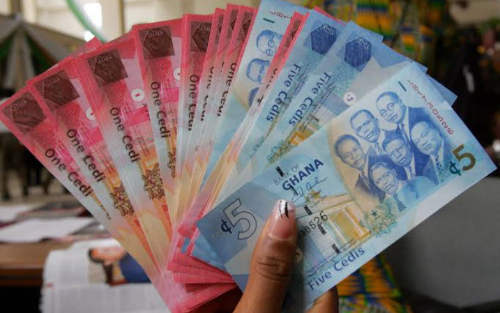
The cedi appreciated 36% against the dollar in 2025, one of the strongest performances globally. Inflation fell to 3.8% in January from a peak of 50.3% in November 2022.
Gold exports accounted for 67% of total exports, supported by high global prices and increased output.
Key Takeaways
Ghana entered an IMF-supported program in 2023 after a debt crisis that led to a domestic bond restructuring and external debt negotiations. Since then, fiscal consolidation, tighter monetary policy and stronger export receipts have helped stabilize the economy. The proposed fiscal council signals a shift toward institutional oversight to prevent a repeat of past budget overruns. Independent fiscal bodies in countries such as the UK and Sweden have helped anchor market expectations and improve transparency. Ghana’s recovery remains tied to commodity exports, particularly gold and cocoa. While higher gold prices have supported reserves and the currency, reliance on raw materials exposes the economy to global price swings. Sustained stability will depend on broadening the tax base, controlling spending and advancing structural reforms beyond the IMF program period.
Think someone else should see this?









To invest in this opportunity and other opportunities across Africa
Download the daba finance app on your mobile through

Take action.

Download app

Partner with us
Unlock exciting business opportunities and growth potential.
Join Daba
Become a part of our vibrant community and enjoy exclusive benefits.
Contact us
Reach out to us for inquiries, support, or collaboration.