


Ghana Growth Slows in Third Quarter as Oil Sector Drags
TLDR
- Ghana’s economy expanded 5.5% year on year in the third quarter of 2025, supported by strong growth in agriculture and services
- The pace slowed from 6.3% in the second quarter and 7.0% a year earlier, held back by weakness in hydrocarbons and industry
- Output in the oil and gas sector contracted 18.2%, while industrial production grew just 0.8%
Ghana’s economy expanded 5.5% year on year in the third quarter of 2025, supported by strong growth in agriculture and services, data from the national statistics service show.
The pace slowed from 6.3% in the second quarter and 7.0% a year earlier, held back by weakness in hydrocarbons and industry. Output in the oil and gas sector contracted 18.2%, while industrial production grew just 0.8%.
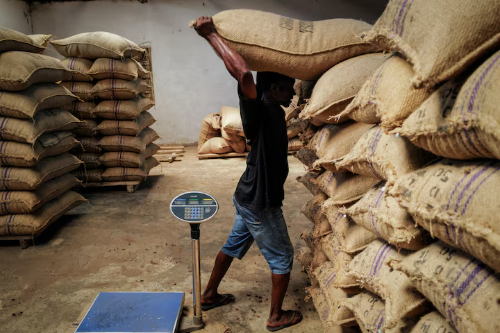
Agriculture grew 8.6% between July and September, driven by crop production and fishing. The services sector, which accounts for about 40% of gross domestic product, expanded 7.6%, supported by information and communications technology, transport, trade, and financial services.
Non-oil GDP rose 6.8%, showing underlying activity remained resilient despite the sharp decline in energy output.
For the first nine months of 2025, the economy grew 6.1%, compared with 5.7% in the same period last year. Inflation eased for an eleventh straight month to 6.3% in November. The central bank has cut its benchmark rate by a total of 1,000 basis points this year as price pressures softened.
Daba's newsletter is now on Substack. Sign up here to get the best of Africa's investment landscape
Key Takeaways
The data underline Ghana’s uneven recovery as it emerges from its deepest economic crisis in decades. Growth is increasingly driven by domestic sectors, while oil production remains volatile due to field maintenance, declining output, and delayed investment. The strong performance of agriculture highlights improved weather conditions and higher food production, which have helped slow inflation and support household incomes. Services growth reflects rising demand for telecoms, trade, and transport as economic activity normalises. The slowdown in industry points to lingering challenges, including high operating costs, tight credit conditions, and weak manufacturing output. While monetary easing has improved financing conditions, businesses remain cautious after years of currency volatility and fiscal tightening. With inflation falling and interest rates lower, policymakers are betting that private consumption and investment will carry growth into 2026. The outlook remains sensitive to oil production trends, global commodity prices, and the pace of fiscal reform under Ghana’s debt restructuring programme.
Think someone else should see this?









To invest in this opportunity and other opportunities across Africa
Download the daba finance app on your mobile through

Take action.

Download app

Partner with us
Unlock exciting business opportunities and growth potential.
Join Daba
Become a part of our vibrant community and enjoy exclusive benefits.
Contact us
Reach out to us for inquiries, support, or collaboration.