


Governments Push for Increased Local Control of Africa’s Gold
TLDR
- Government to take over Gold Fields Ltd.'s Damang mine in Ghana on April 18, aiming to increase local ownership in gold sector
- Tender process limited to Ghanaian citizen-owned companies to prevent foreign domination in mine sale
- Policy shift follows international firms outbidding local players for mining assets; Damang sale part of Gold Fields' focus on higher-priority projects
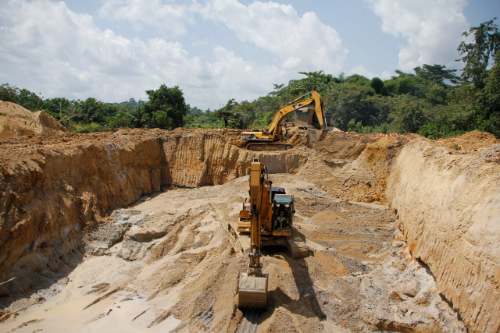
Gold Fields Ltd.’s Damang mine in Ghana is at the center of a policy shift as the government moves to increase local ownership in the gold sector. The state will take over the mine on April 18 after declining to renew its lease, Bloomberg reported. Authorities have limited the tender process to companies fully owned by Ghanaian citizens, aiming to prevent foreign bidders from dominating the sale.
The move follows a pattern where international firms outbid local players for mining assets. In 2024, Newmont Corporation sold the Akyem project to Zijin Mining for about $1 billion, a level domestic firms could not match.
Damang, a mature asset, had been considered for sale by Gold Fields as it focuses on higher-priority projects. The government’s intervention shifts control of the process and limits competition to local firms.
The policy comes as Ghana reviews licenses for other assets, including Gold Fields’ larger Tarkwa mine, and adjusts royalty structures for the sector.
Key Takeaways
Ghana’s approach reflects a broader shift across Africa toward increasing local participation in extractive industries. Governments are seeking a larger share of value from natural resources by promoting domestic ownership and raising royalties. Limiting the Damang tender to local firms reduces competition from global miners but creates space for domestic companies to acquire assets that would otherwise be out of reach. However, this strategy also introduces trade-offs. Mature mines often require capital, technical expertise, and operational efficiency to remain viable, areas where international firms typically have an advantage. Without sufficient financing and operational capacity, local operators may struggle to maintain output or extend mine life. The policy also signals increased state intervention in licensing decisions, which may affect investor confidence and future capital inflows. For global mining companies, the case highlights growing political risk around asset ownership in Africa. For local firms, it presents a rare opportunity to gain control of producing assets, provided they can mobilise the capital and expertise required to operate them effectively.
Think someone else should see this?









To invest in this opportunity and other opportunities across Africa
Download the daba finance app on your mobile through

Take action.

Download app

Partner with us
Unlock exciting business opportunities and growth potential.
Join Daba
Become a part of our vibrant community and enjoy exclusive benefits.
Contact us
Reach out to us for inquiries, support, or collaboration.