


Ghana Inflation Cools Again Despite Oil Price Pressures
TLDR
- Ghana’s annual inflation rate decreases to 3.2% in March, a 15th consecutive monthly decline, with food inflation at 2.3% and non-food at 3.9%.
- Imported inflation drops to -0.6%, locally produced goods inflation rises to 4.9%, driven by currency stability and easing external price pressures.
- Services inflation increases to 7.2%, indicating emerging domestic cost pressures that may pose risks despite improved disinflation, requiring careful monetary policy management.
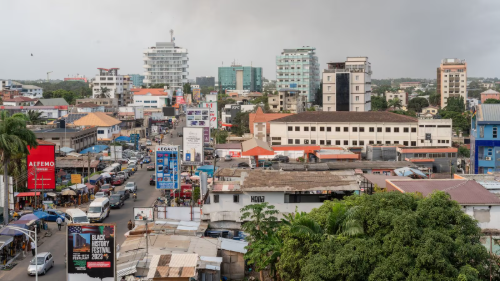
Ghana’s annual inflation rate eased to 3.2% in March from 3.3% in February, marking a 15th straight month of decline, according to data released by the national statistics office.
Government Statistician Alhassan Iddrisu said the latest figure represents the lowest level since the 2021 rebasing of the consumer price index, supported by currency stability.
Food inflation slowed to 2.3%, while non-food inflation edged down to 3.9%. Goods inflation dropped sharply to 1.7%, while services inflation rose to 7.2%, showing pressure in service-related sectors.
On a monthly basis, prices increased by 0.1%, pointing to mild underlying inflation. Imported inflation fell to -0.6%, while inflation for locally produced goods rose to 4.9%.
The data comes as global oil prices rise amid geopolitical tensions, though the impact on domestic inflation has remained limited so far.
Key Takeaways
Ghana’s inflation trend shows a rare case of sustained disinflation in Africa, driven by currency stability and easing external price pressures. The decline in goods and imported inflation suggests that exchange rate management and global price trends are supporting the overall slowdown. However, the rise in services inflation points to emerging domestic cost pressures, which are often harder to control through monetary policy alone. The divergence between imported and local inflation also indicates that internal supply constraints and cost structures may become the next source of inflation risk. The Bank of Ghana has responded by cutting its policy rate to 14%, marking a fifth consecutive reduction, though the smaller size of recent cuts suggests caution as global risks increase. Rising oil prices linked to geopolitical tensions could still feed into inflation over time, especially through fuel and transport costs. For policymakers, the challenge will be to sustain the disinflation trend while managing external shocks and domestic pressures. For investors, the environment of lower inflation and falling interest rates could support credit growth and investment, but risks remain tied to global commodity prices and currency stability.
Think someone else should see this?









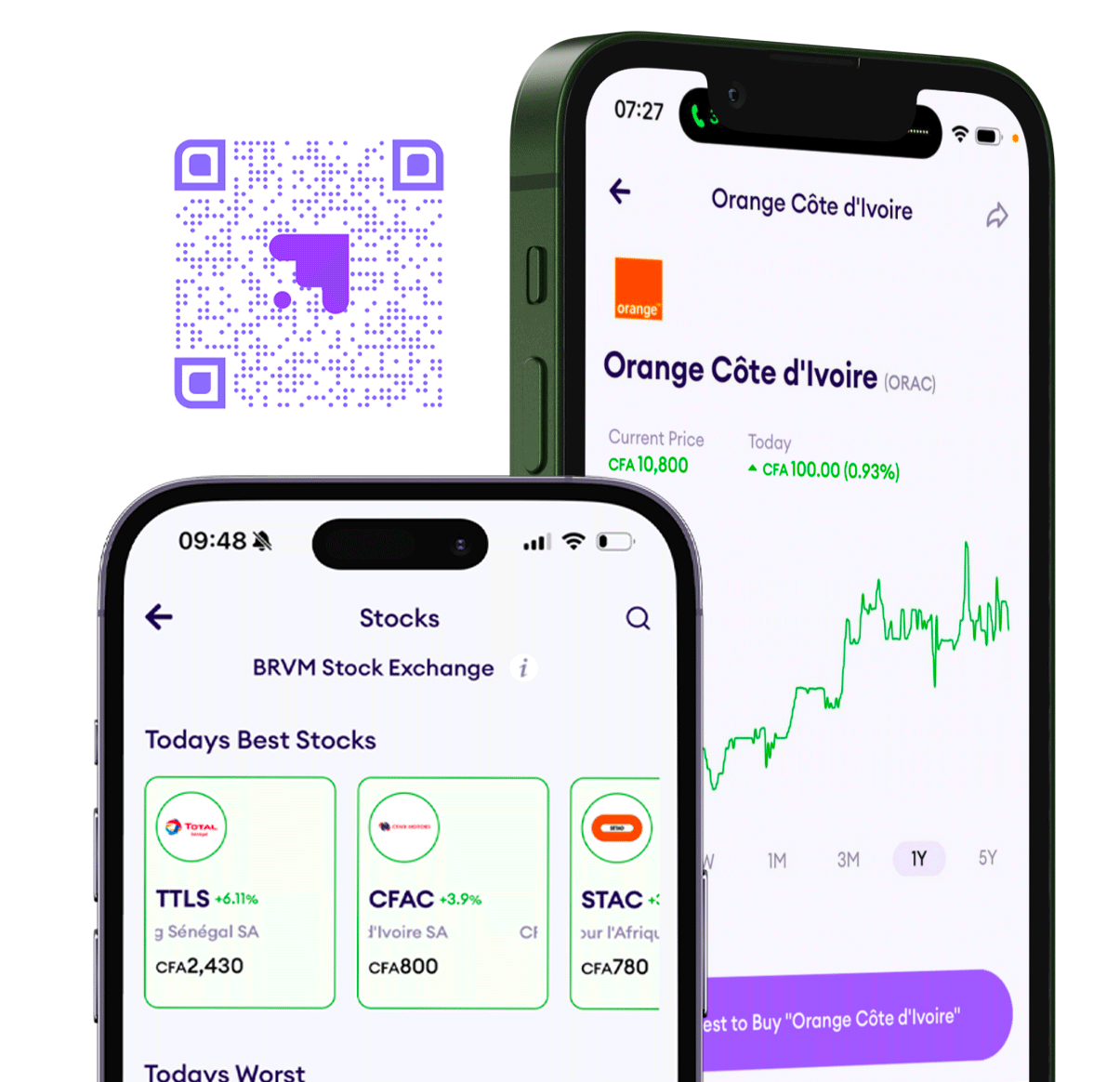
To invest in this opportunity and other opportunities across Africa
Download the daba finance app on your mobile through

Take action.

Download app

Partner with us
Unlock exciting business opportunities and growth potential.
Join Daba
Become a part of our vibrant community and enjoy exclusive benefits.
Contact us
Reach out to us for inquiries, support, or collaboration.