


Ghana Plans $1B Bond to Fund Cocoa Purchases
TLDR
- Ghana plans to raise $1 billion through local-currency bonds for cocoa purchases before the 2026-27 season to reduce reliance on foreign funding and stabilize cocoa sector financing.
- The bond issuance aims to address funding strains in Ghana's cocoa system, impacted by price swings, weak liquidity, and debt at state-linked buyers like Produce Buying Company.
- This move tests Ghana's shift from foreign loans to local capital markets for cocoa finance, aiming to restore confidence in the sector while managing risks related to debt restructuring and financial system stress.
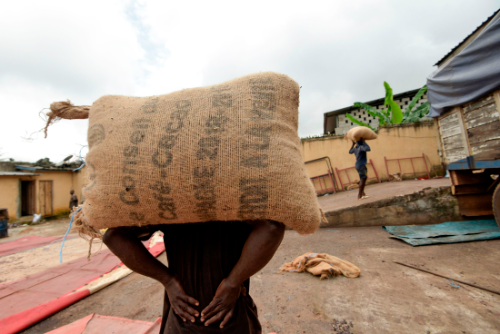
Ghana plans to raise $1 billion through local-currency bonds to fund cocoa purchases from farmers before the 2026-27 crop season, as the country changes how it finances one of its main exports.
The debt is expected to be issued in cedis before the new season begins around August. Ghana Cocoa Board Chief Executive Officer Randy Abbey said the plan would reduce reliance on dollar funding and foreign lenders, while giving the cocoa sector a more stable funding model.
Ghana is the world’s second-largest cocoa producer after Côte d’Ivoire, but its cocoa system has come under pressure from price swings, weak liquidity and debt at state-linked buyers. The country has relied for years on trader-backed loans to buy beans from farmers and deliver cocoa to global buyers.
The funding strain has hit farmers. Produce Buying Company, the state-owned cocoa buyer, has faced debt of about GH¢673 million, or $60 million, and has struggled to pay farmers for delivered cocoa. Licensed cocoa buyers have also faced bank debt and liquidity pressure.
The bond plan comes as Ghana tries to rebuild the sector after cutting its farmgate cocoa price earlier in 2026. The government wants a system where cocoa purchases are funded within the crop year and repayment is tied to sales proceeds. The test will be whether local investors have enough appetite for the bonds after Ghana’s debt restructuring and recent stress in its financial system.
Key Takeaways
Ghana’s planned $1 billion cocoa bond is more than a funding move. It is a test of whether the country can shift cocoa finance from foreign loans to local capital markets. That would reduce dollar risk and give Cocobod more control over how it funds farmer purchases. It could also help restore confidence in a sector hit by debt, payment delays and price swings. But the plan carries risk. Ghana’s domestic investors are still recovering from the country’s debt restructuring, and banks already have exposure to cocoa buyers. A cedi bond also means the government must offer a return that attracts investors without making the cocoa system too costly. The timing matters because Ghana needs to pay farmers on time, protect supply and keep global buyers confident. If the bond works, it could create a new model for financing cocoa in Africa. If demand is weak, Ghana may still need foreign lenders or emergency support to keep the crop moving.
Think someone else should see this?









To invest in this opportunity and other opportunities across Africa
Download the daba finance app on your mobile through

Take action.

Download app

Partner with us
Unlock exciting business opportunities and growth potential.
Join Daba
Become a part of our vibrant community and enjoy exclusive benefits.
Contact us
Reach out to us for inquiries, support, or collaboration.