


Ghana Plans $3.5B Oil and Gas Investment Push
TLDR
- Ghana plans $3.5 billion oil and gas investment to boost production and enhance energy security.
- Investment in Jubilee and Offshore Cape Three Points projects to increase exploration and drilling activity.
- Expansion of Sentuo refinery to 100,000 barrels/day to reduce reliance on imports and create jobs in oil services and infrastructure.
Ghana plans to attract $3.5 billion in oil and gas investment as the country seeks to reverse 6 years of declining production and strengthen energy security.
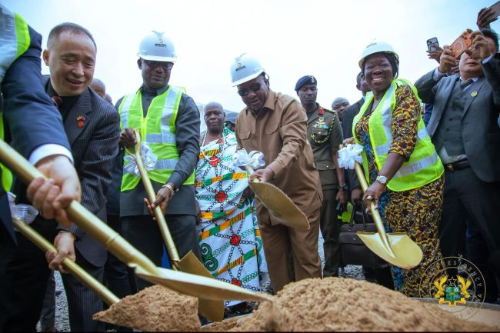
President John Dramani Mahama announced the plan on June 25 at the groundbreaking ceremony for Phase II of the Sentuo refinery in Tema. The government said the investment program is designed to increase exploration, expand refining capacity and support industrial growth.
The plan includes $2 billion from partners in the Jubilee oil field to drill 20 new wells. Partners in the Offshore Cape Three Points project are also expected to invest $1.5 billion in new exploration and production activity.
Ghana expects output at Jubilee to rise from 60,000 barrels per day to 85,000 barrels per day, while production improvements are also expected at the TEN and Sankofa fields. The government said the investments could produce the first net increase in national crude output in 6 years.
The second phase of the Sentuo refinery will raise processing capacity to 100,000 barrels per day from 40,000 barrels per day. The expansion is expected to reduce reliance on imported petroleum products, support the cedi and create jobs across oil services, logistics, construction and infrastructure.
Key Takeaways
Ghana’s investment plan is a bet that upstream drilling and downstream refining can reset the country’s energy sector after years of weaker production. Higher crude output would support exports, government revenue and foreign exchange inflows. More refining capacity would also help Ghana reduce fuel imports and keep more value inside the domestic economy. The Sentuo refinery expansion is important because it links oil production to industrial policy, not just resource extraction. If Ghana can process more petroleum products locally, it can improve supply security and support related sectors such as petrochemicals and logistics. But execution will matter. New wells must deliver production gains, refinery expansion must stay on schedule and the government must keep investors confident through stable regulation. Ghana also needs to balance oil investment with energy transition pressures and debt concerns. If the plan works, it could strengthen Ghana’s position in West Africa’s energy market and give the economy a new source of momentum.
Think someone else should see this?









To invest in this opportunity and other opportunities across Africa
Download the daba finance app on your mobile through


Take action.

Download app

Partner with us
Unlock exciting business opportunities and growth potential.
Join Daba
Become a part of our vibrant community and enjoy exclusive benefits.
Contact us
Reach out to us for inquiries, support, or collaboration.