


Ghana’s Inflation Falls to 29-Month Low, Boosting Rate Cut Prospects
TLDR
- Ghana's annual inflation rate decreased to a 29-month low in August, hinting at a potential interest rate cut by policymakers on September 30.
- Consumer prices rose by 20.4%, down from 20.9% in July, with deflation in key categories like milk, oils, fats, and fruits and nuts driving the decrease.
- Analysts anticipate a 100 basis-point cut by the Bank of Ghana, considering longer-term inflation expectations over immediate targets.
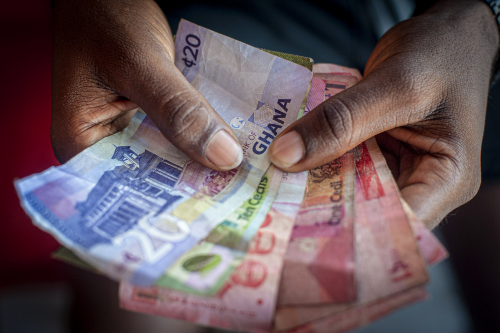
Ghana’s annual inflation rate dropped to a 29-month low in August, raising the likelihood of an interest rate cut when policymakers announce their decision on September 30.
Consumer prices rose 20.4%, down from 20.9% in July, according to Government Statistician Samuel Kobina Annim.
The fall was driven by deflation in key categories like milk, oils, fats, and fruits and nuts. Food price growth eased to 19.1%, down from 21.5% in July, while non-food inflation increased slightly to 21.5%. Prices fell 0.7% month-on-month.
Key Takeaways
The inflation slowdown and the stability of the Ghanaian cedi may prompt the Bank of Ghana to cut interest rates after maintaining the key rate at 29% since January. Analysts predict a 100 basis-point cut, focusing on longer-term inflation expectations rather than immediate targets. This comes as the cocoa-, gold- and oil-producing West African country battles to emerge from an economic crisis.
Think someone else should see this?









To invest in this opportunity and other opportunities across Africa
Download the daba finance app on your mobile through

Take action.

Download app

Partner with us
Unlock exciting business opportunities and growth potential.
Join Daba
Become a part of our vibrant community and enjoy exclusive benefits.
Contact us
Reach out to us for inquiries, support, or collaboration.