


Nigerian-Founded HaloBraid Raises $7M to Build Hair-Braiding Robot
TLDR
- Robotics startup HaloBraid secures $7 million seed funding led by Seven Seven Six, Reddit co-founder Alexis Ohanian's venture firm.
- Founder Yinka Ogunbiyi, a Harvard engineer, creates an innovative hair-braiding device after facing challenges during Covid-19 lockdown.
- HaloBraid's device aims to revolutionize hair braiding, reducing time, supporting different braid styles, and improving stylist efficiency.
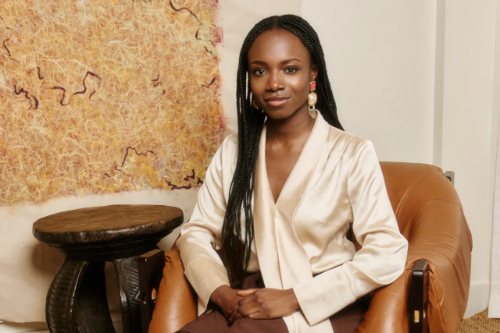
HaloBraid, a robotics startup building a hair-braiding device for salons, raised $7 million in seed funding led by Seven Seven Six, the venture firm founded by Reddit co-founder Alexis Ohanian.
The company was founded by Yinka Ogunbiyi, an engineer with a Harvard master’s degree and an MBA, after she tried to braid her own hair during the Covid-19 lockdown in London. The process took 4 days, leading her to study braiding as an engineering problem.
HaloBraid’s first device is expected to launch later this year and will work as an assistant for stylists. A stylist starts the braid, then the device completes the rest in seconds. Ogunbiyi said the product is designed to be gentle on hair and can support knotless and box braids.
The company says people spend about 8 billion hours a year braiding hair. In a survey of 2,000 people, 95% said they would braid their hair more often if the process took less time. Stylists also face long work hours and health risks, including carpal tunnel and arthritis.
Other investors in the round include AlleyCorp and Bling Capital. HaloBraid will use the funding for product development, manufacturing and salon partnerships. Ogunbiyi said the company also plans to build other tools for textured haircare, including a device that can undo braids.
Key Takeaways
HaloBraid is trying to bring automation to a part of the beauty market that has received little hardware innovation. Braiding is a large business, but it still depends on hours of manual work by stylists. That creates a cost problem for customers and a labor problem for salons. A tool that can cut braiding time could increase appointment volume, reduce strain on stylists and make braided hairstyles more accessible. The market also has cultural weight, because braids are part of Black identity and daily life for many women and girls. That means the product must work without damaging hair or removing the role of stylists. For investors, the pitch is that textured haircare is a large consumer category with few advanced tools compared with the wider beauty market, where companies such as Dyson have shown that hardware can command high prices. The risk is execution. Hair is difficult to handle, styles vary, and salons will only adopt the device if it saves time, protects quality and fits into their workflow.
Think someone else should see this?






To invest in this opportunity and other opportunities across Africa
Download the daba finance app on your mobile through

Take action.

Download app

Partner with us
Unlock exciting business opportunities and growth potential.
Join Daba
Become a part of our vibrant community and enjoy exclusive benefits.
Contact us
Reach out to us for inquiries, support, or collaboration.